Highlights
- Spot lions, leopard, and cheetah at Etosha National Park
- Enjoy guided walks across desert landscapes
- Incredible desert and mountain camps
- See desert elephants and rhino in Damaraland
- Enjoy sundowners and the campfire, under a starry sky
Namibia offer an incredible range of wildlife experiences, including the ‘Big Five’. Flanked by Botswana and South Africa to the east and the wild Atlantic Coast to the west, Namibia has one of the lowest population densities in the world. This means quieter and more intimate safari experiences, virtually untouched landscapes, and some of the darkest skies in the world!
One of the best ways to explore the country is on a self-drive holiday. The roads are easy to follow and you’ll pass through vast expanses of deserts, dunes, and mountain ranges, often spotting wildlife along the way. There are a fantastic variety of characterful lodges and fixed campsites in all of the key locations, so you can choose your level of comfort, either driving between lodges or camping in your rooftop tent at designated campsites.
Namibia boasts an incredible density of wildlife and a lengthy list of endemic species. You can see ‘the big five’ between the clay pans of Etosha National Park and the granite mountains of Damaraland, where lion, leopard, elephant, buffalo, rhino and many other animals roam free. There are guided game drives through multiple national parks, and you can also enjoy the coastal wildlife living along the skeleton coast, from Cape Cross to Walvis Bay. Here, you’ll find flamingo, seals, dolphins, pelican and a whole host of other sea life.
Walking enthusiasts can join a range of guided hikes through Namibia’s desert and mountain ranges. Accompanied by a local guide and friendly crew, you’ll camp next to waterholes, sleep in dark sky reserves, and dine beneath twinkling stars. Namibia is also a hub for a range of adventurous activities, such as sandboarding and kayaking in Swakopmund, hot air-ballooning in Sossusvlei, off-road jeep drives in Sandwich Harbour, and canyon hikes in Fish River Canyon. These adventures, paired with sunset cocktails and evening braais, promise an unforgettable holiday experience
The best time to go to Namibia is during their winter, from May to September. During these months the skies are clear, temperatures will be in the low to mid-twenties, and there is very little rainfall. If you like warm temperatures, September is the hottest month of this period. Game viewing is at its optimum because animals will be gathering round the watering holes. Similarly, looking for the wild cats is easier when the foliage is less dense, and temperatures are perfect for those guided desert walks.
If you’re travelling with us from anywhere in the world, we can arrange your flights. We offer complete flexibility and will find you the best fares from an airport that is convenient for you. From international and internal flights to stopovers with city-packages, we can arrange flights to fit with your customised holiday schedule.
We’re an independent travel company with full financial protection through either the ATOL scheme or via our IPP insurance policy.
(so your money is always safe).
But more importantly, we look after people.
We look after you from your first enquiry right through to your return home.
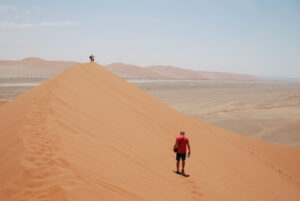
Landscapes of mountains, savannahs and the great dunes of Sossusvlei
Discover Central Highlands – Windhoek to Soussulvei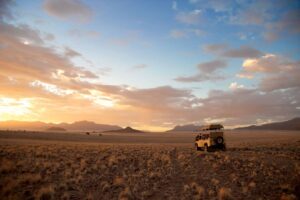
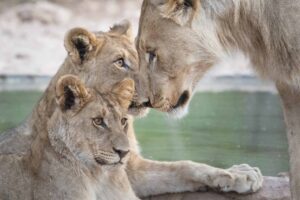
Etosha - 'The Great White Place' famed for its abundant wildlife
Discover North – Etosha and Damaraland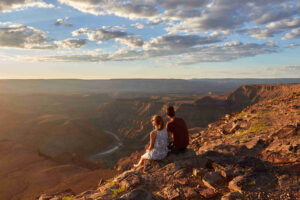
Africa's largest canyon - A land of rugged landscapes and varied wildlife
Discover South – Fish River Canyon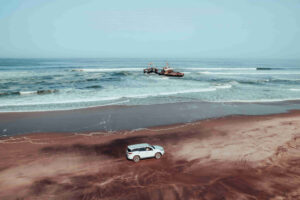
Skeleton Coast - A vast Atlantic coastline of wrecks, whale bones and rolling mists.
Discover West – Skeleton Coast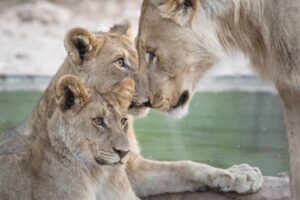
Enjoy Namibia's best wildlife safari experiences on a self-drive journey across Namibia, staying in characterful lodges
From: £7,295 per person
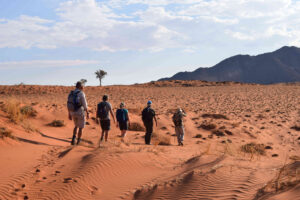
A two-week self-drive adventure through Namibia's wilderness, with three guided treks, magical desert camps, and wildlife highlights
From: £6,795 per person
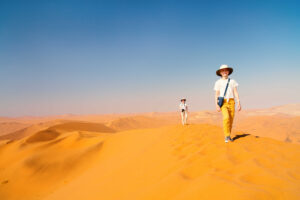
An unforgettable self-drive journey across Namibia, visiting Namibia's most iconic wildlife and geological highlights
From: £3,725 per person
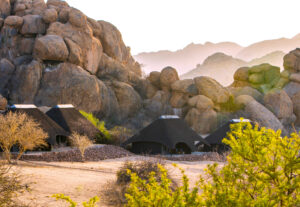
Experience Namibia's highlights in comfort, with wildlife encounters, elegant desert camps, gourmet dining, and sundowners.
From: £12,495 per person
In our weekly newsletters, we share our first-hand experience of travelling around our favourite destinations, with advice on the best times to visit. We’ll also keep you up to date on all the latest travel news, topical articles, and travel tips from our team of destination experts.
You and your money are safe with Archipelago Choice.
24/7 support for all travellers
Trusted by over 100,000 customers around the world
Plan your next unforgettable journey with our curated selection of destinations
We look after you from your first enquiry right through to your return home
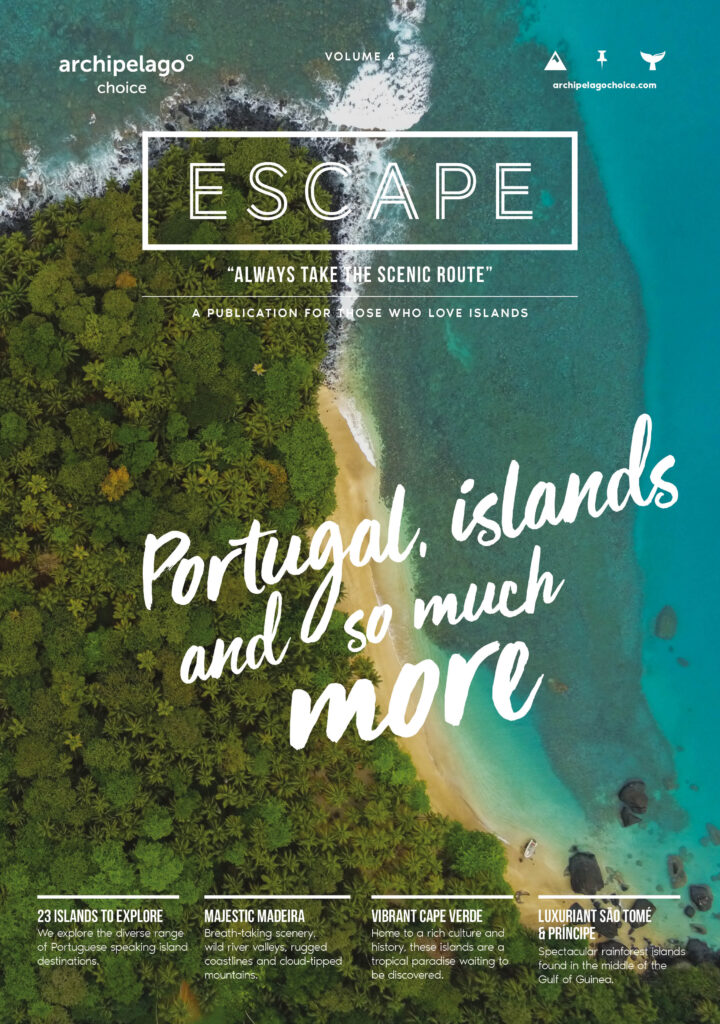
If you love all things Portuguese, then you’ll love our Portugal travel magazine.
We’ll look at our favourite food and a drink, great places to stay and a world of exciting activities.
The stories and holiday experience featured are based on our love of all things Portuguese and the partnerships we have working with small independent companies in Portugal and around the world who love to travel and see the benefits niche travel can bring to people and communities beyond our shores.
Request a brochureWe're honoured that our commitment to exceptional service and unforgettable experiences has been recognised by The British Travel Awards year after year. What makes these accolades truly special is that they're voted for by you, our valued guests! Your continued trust and support mean the world to us.



Archipelago Choice Ltd,
1b Museum Square,
Keswick,
Cumbria,
CA12 5DZ
Phone: 01768 721040
US: 800-490-0446
Email: team@archipelagochoice.com