As a Brit, it’s the diversity of wildlife that captivated me most about Costa Rica.
During my three weeks in Costa Rica, I visited many National Parks and journeyed through an incredible range of climate zones and ecosystems. However, there are three regions of the country that really made an impression on me, in terms of the quality of the nature experiences. These were: Tortuguero, Sarapiqui and Corcovado.
The whole country supports conservation and it’s refreshing to visit a place where the residents value their natural environment and make efforts to protect the animal’s habitat.
Tortuguero
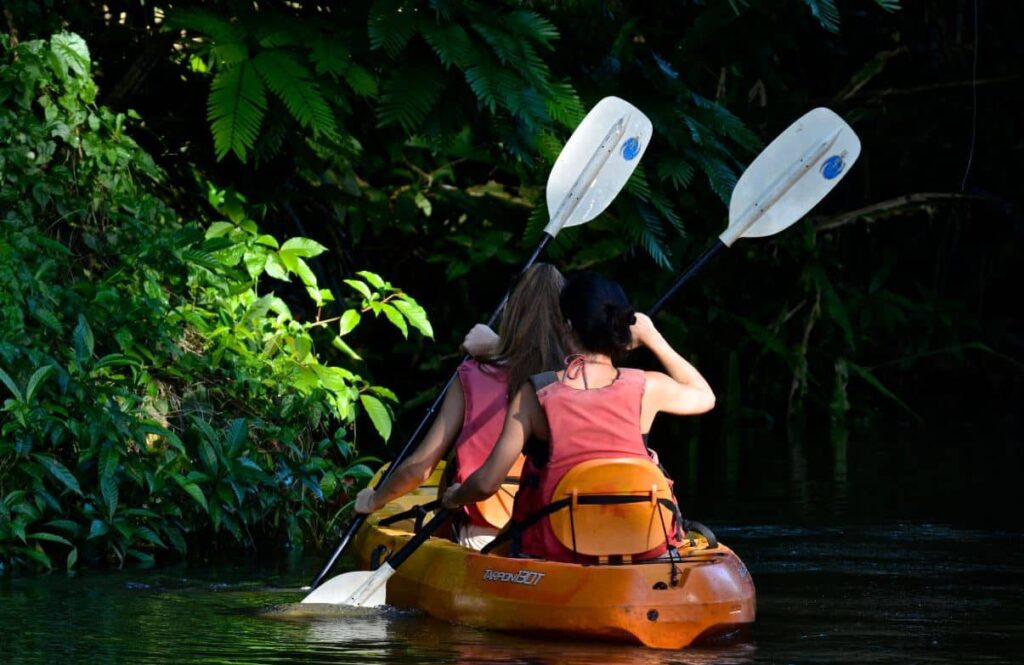
The wetlands of Tortuguero are situated on the Caribbean coast. A ninety-minute boat ride brings you to the area, and it’s a fun part of the experience. In the 1950s Tortuguero was still a logging town, so you are entering via the canals that were once widened for access. Though some of the channels were widened, this is a natural network of canals, and they spread out like the routes of a tree. You can explore these networks by taking a guided tour by kayak or rowing boat into this dense and peaceful inner sanctuary.
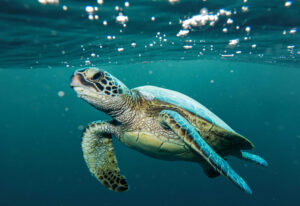
It’s an assault on the senses to arrive in Tortuguero from San Jose. It’s hard to believe that they almost completely felled all forest here during the first half of the 20th century, because the regrowth is so dense and extensive. In 1975 the area was designated a National Park, and has become a very important wildlife refuge, not just for the nesting turtles – the tortuga – that give the area its name. Experienced nature guides will help you spot as much as possible during nature tours on water and land.
Logistics mean this is likely to be the first place you come to as a tourist, and so it’s easy to be caught off-guard, unready to take it all in. Do not underestimate how good the opportunities are to see wildlife in Tortuguero!
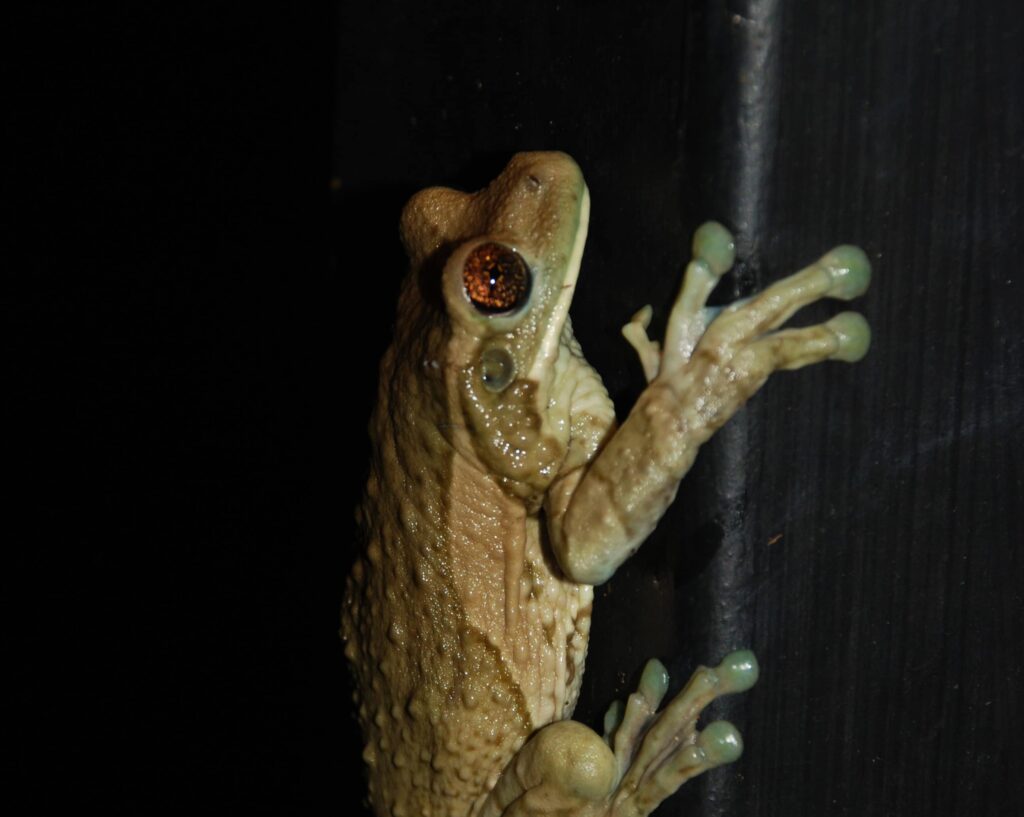
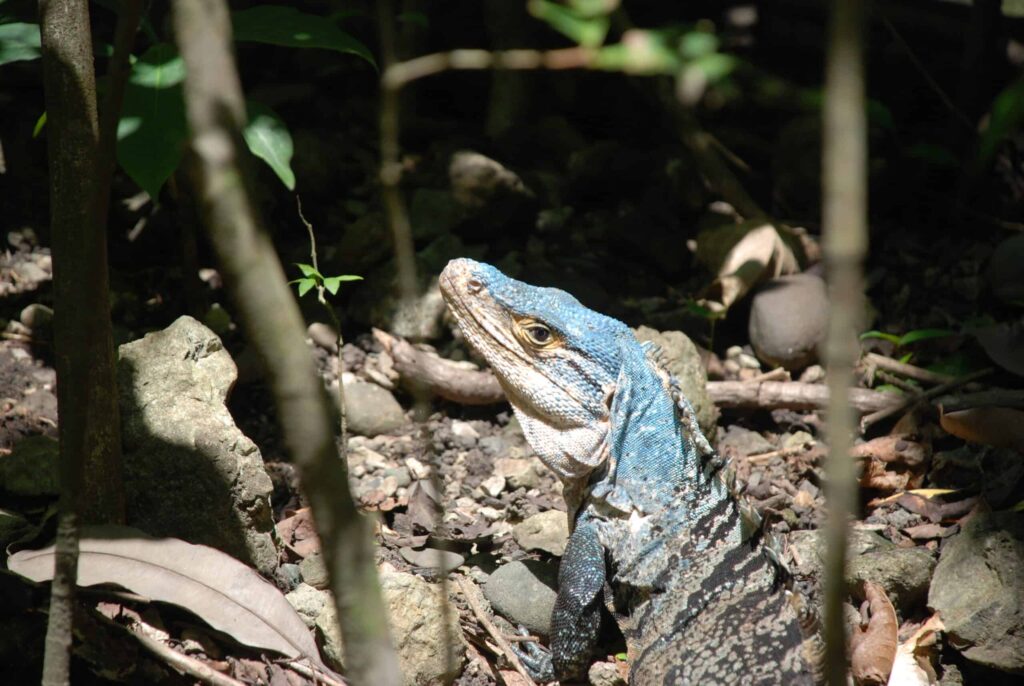
Come here to see troops of howler, capuchin and spider monkeys. An abundance of bird life – keel-billed toucans, egrets, vultures, kingfishers, hawks, kites, herons, parrots. Sloths are here, iguanas, armadillos, poison dart frogs, toads, snakes. Crocodiles and Caymen lie stealthily in the waters and at the edge.
Sarapiqui


A Private Nature Reserve
Sarapiqui is a good example of how private nature reserves are part of Costa Rica’s success story. The area lacks the poster-picture scenery of Arenal and Monteverde which I think is why it’s less well-known. Sarapiqui though has an abundance of birds and other wildlife and is becoming more well-known for nature tourism.
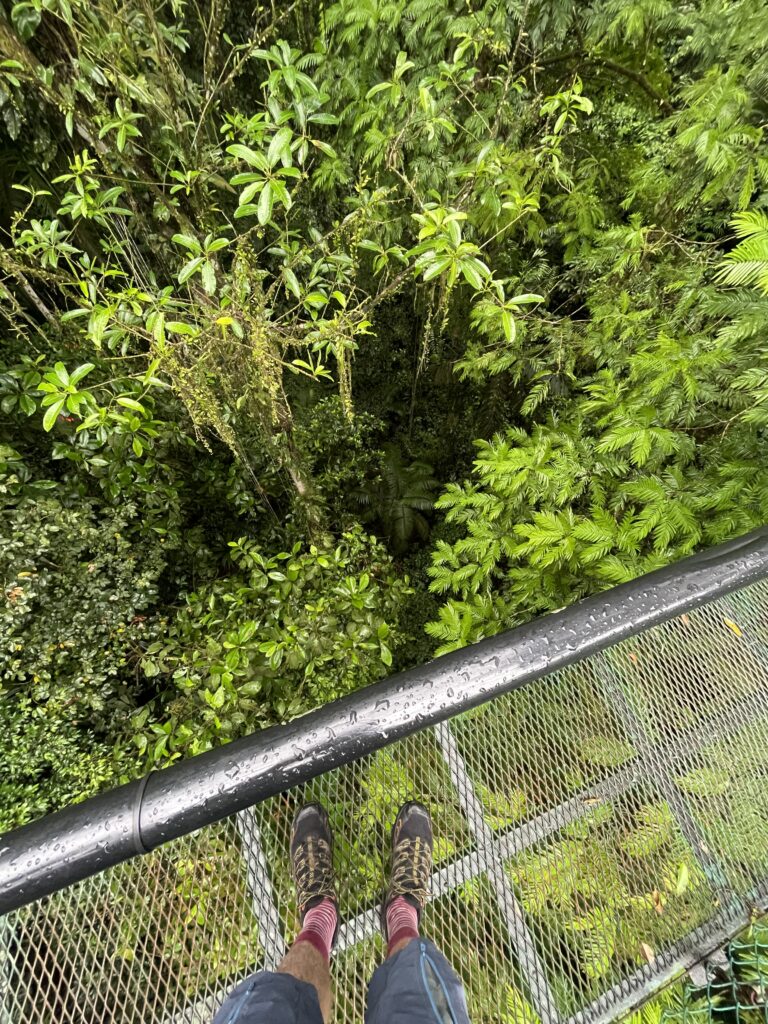
Tirimbina Biological Reserve is in the heart of Sarapiqui, it’s entrance and buildings on one bank of the mighty Sarapiqui river, and it’s private primary rainforest reserve across on the other bank. Spanning the river is an impressive hanging bridge.
A Guided Night Tour of the Jungle
The jungle comes alive at night, the forest singing with frogs and insects, and nocturnal mammals are on the move. A night tour is an essential experience for the nature enthusiast whilst visiting Costa Rica.
My night tour of Tirimbina kicked off right away with poison dart frogs near the guided walk start. These colourful creatures eat ants, and the ant toxins are secreted onto the frog skin. The toxin is deadly if taken into the blood stream of mammals and it is used to arm poison blow darts in traditional hunting.
Don’t be afraid of the Tarantula
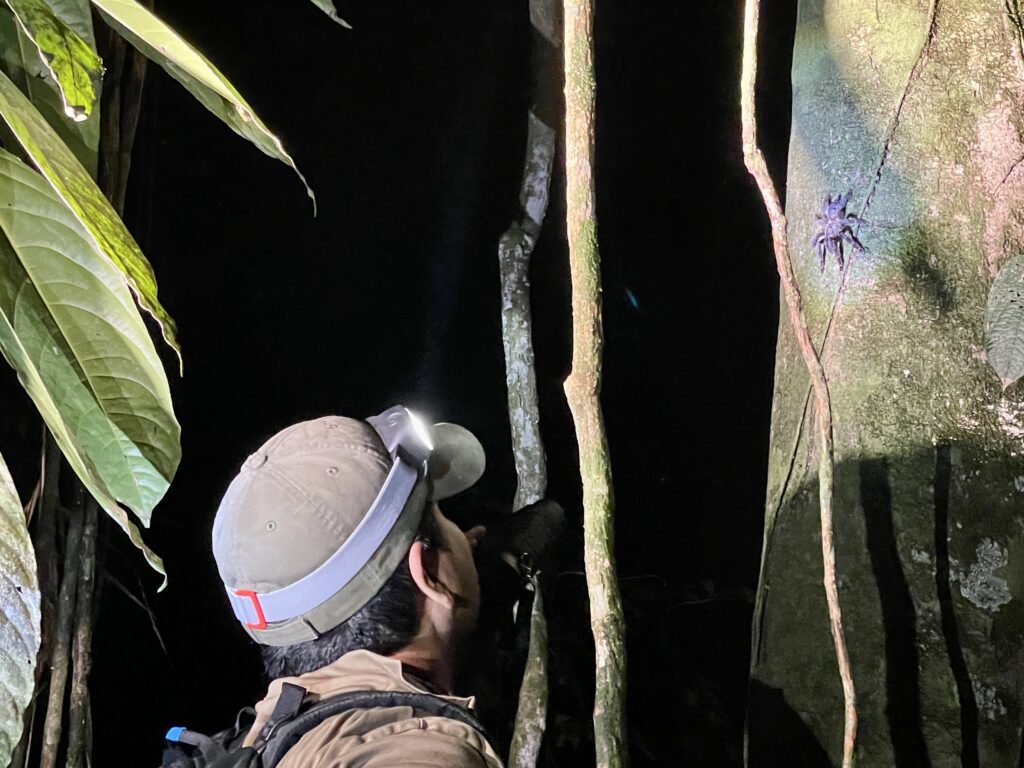
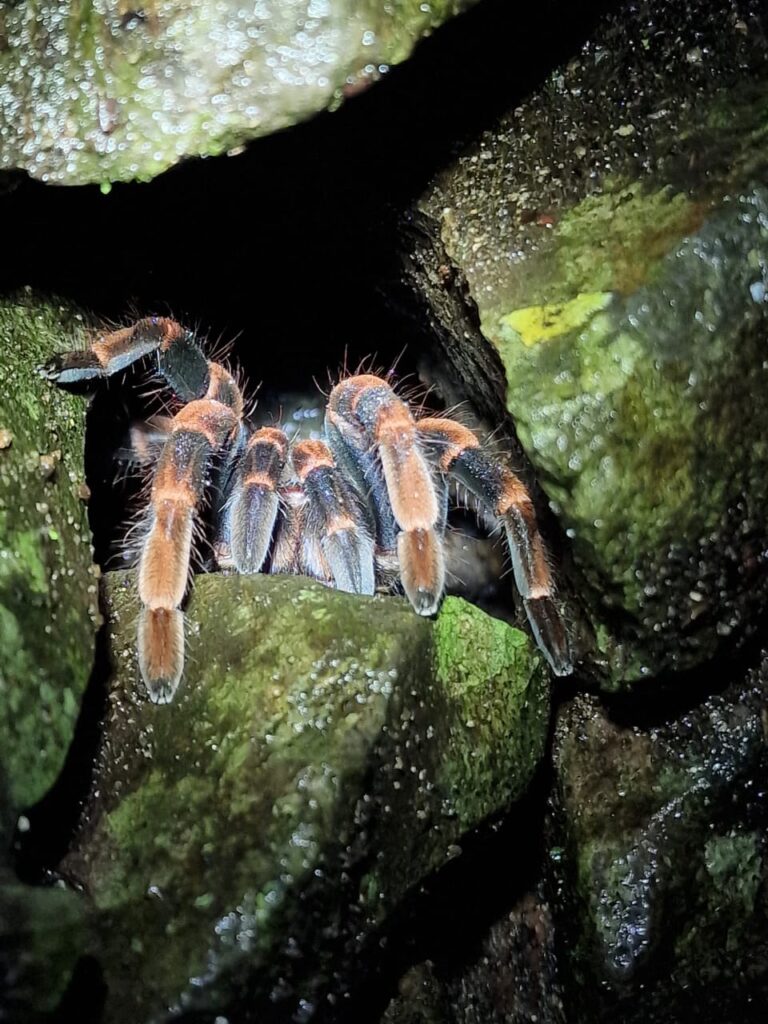
Crossing the Tirimbina river we were passed by an armadillo crossing the other way, using the metal support rope as it’s own tightrope bridge. Entering the rainforest, we shine our torches here and there – insects, amphibians, and more than one tarantula. The tarantulas look imposing, but we are reassured that they aren’t dangerous to humans.

Sloths and Kinkajous
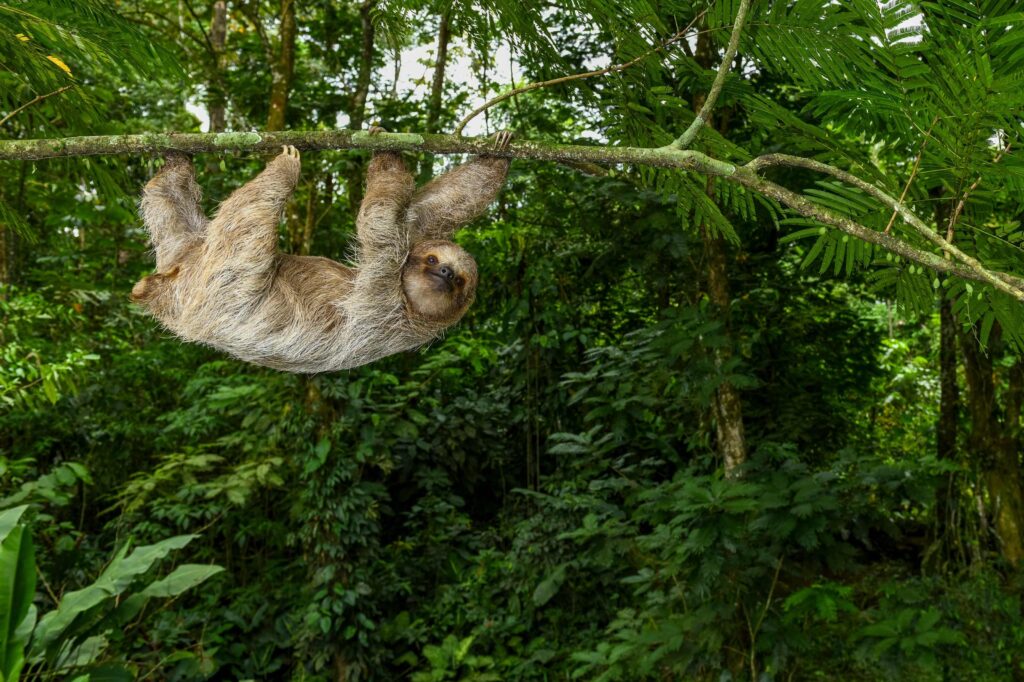
The nature reserve paths are well cleared so that we don’t accidentally disturb or step on anything we wouldn’t want to. The guide returns to a place they saw a sloth in the day and it’s still here. Sloths park for a couple of days whilst they digest their meals, which was good for us because they have very photogenic faces! A kinkajou rustles high branches and its glowing eyes are momentarily captured in our torch light.
We spend a couple of hours exploring this nocturnal world, before it’s time for dinner.
Corcovado

A Preserved Primary Rainforest
Corcovado is the largest and most important area of preserved primary rainforest in Costa Rica. It’s towards the southern end of the Pacific side of the country and the reason it has survived is that its rugged terrain made plundering natural resources too difficult. The 424 km² of the Corcovado National Park has been protected by law since 1975.
A Boat Journey to Drake Bay
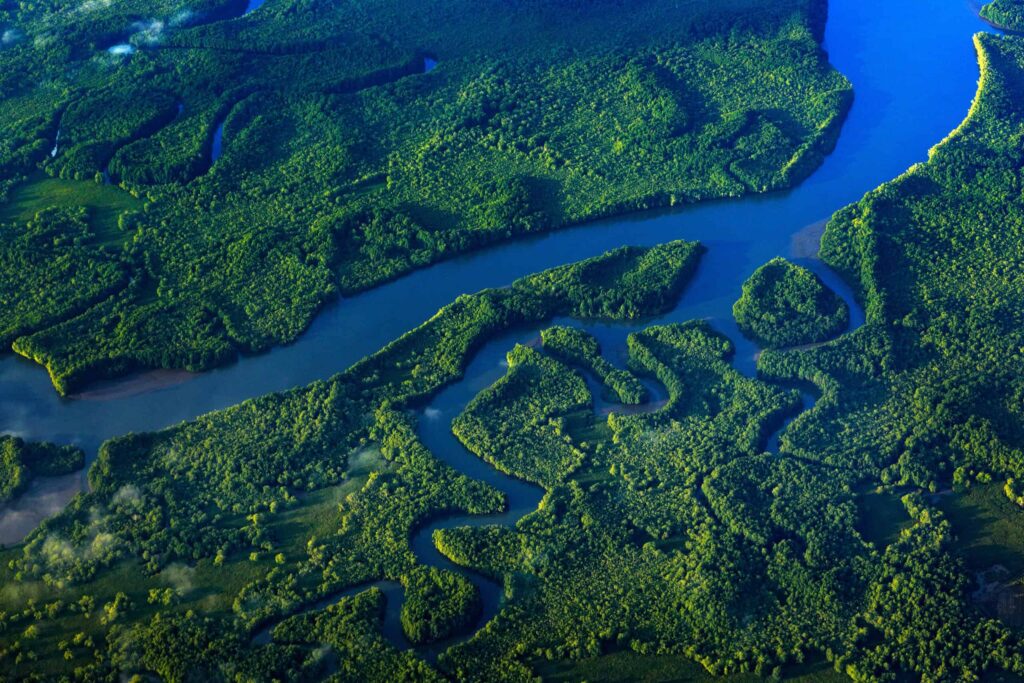
It’s possible to take a local flight in to either end of the Osa peninsular but, like Tortuguero, the way in by boat to Drake Bay from the port of Sierpe is all part of the experience. Exiting Sierpe, the plantations and fields soon give way to secondary and then primary rainforest and from here on in, the overwhelming impression is of travelling through a vast wilderness.
The river twists and turns, the boats keeping impressive speed on the way and gradually the river widens on the approach to the ocean. The next stage of the journey is across Bahia Drake in the open ocean and the boat captain expertly navigates the waves where the river mingles with the ocean. Crossing the bay, settlement comes into view, and you arrive at the remote town of Drake Bay.
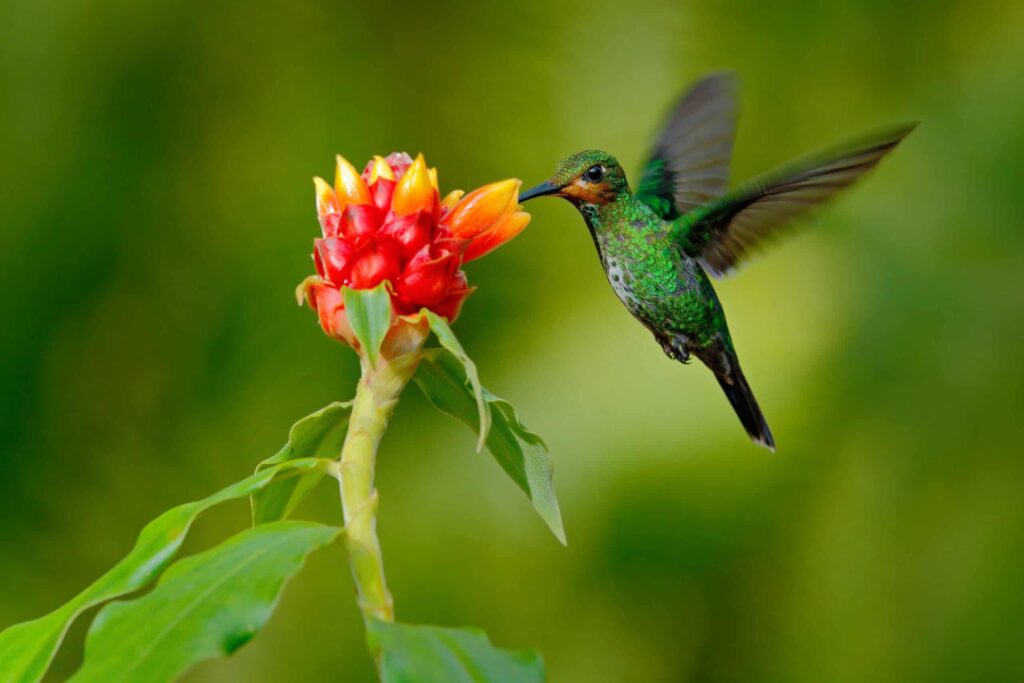
Lodges in Drake Bay are profoundly within nature. Lizards, hummingbirds, toucans, monkeys all share this space. Before dinner, a tapir makes an appearance and lumbers through the hotel grounds, non-plussed by the attention of the astonished guests.
Corcovado National Park
It’s from Drake Bay that I take a trip into Corcovado park itself. An early morning start sees me back on a boat, rounding the San Pedrillo headland into the sunrise. An exhilarating hour and a half later, we slow and approach the coast at the centre of Corcovado, the Sierpe river. It’s a wet landing and we jump out of the boat into the surf.
Stay Clear of the Venomous Fer de Lance
After putting our footwear back on we group with our guide to gain access to Corcovado. Entrance is by permit and with a guide, only. Our passport details are taken and we’re in. Almost immediately we stop to cautiously look at one of Costa Rica’s most dangerous inhabitants – the Fer de Lance snake. There’s one just off the path, coiled up, its location marked by a stick left by another guide. We don’t get too close and then, walk on.
Abundant Wildlife
The mature primary forest is quite open under the canopy and sight lines are good. Very soon we walk into a slight clearing and a group of coatis promenade past. Coatis are very endearing creatures and we’re surrounded by a large extended family, going about their day, ambivalent to our presence. Their heads are all down and foraging, their tails are all vertical, and it’s quite a sight. Corcovado is far from done though – we turn around and there are squirrel monkeys passing very close-by. Turning back to the coatis, a family of peccaries walks into the scene. It’s astonishing to be in the presence of so many wild creatures seemingly indifferent to humans. We finally decide to move on but right away, an anteater saunters across our path. The anteater inspects a rotten tree trunk, poses for photos on a suitable branch, and snuffles casually off into a patch of undergrowth.
All of this has taken thirty minutes from checking in to the park. We’re here for half a day and I am left feeling incredibly lucky to have travelled to and experienced such matter of fact and biodiverse scenes.