Costa Rica is a small Central American country, bordered by the Pacific Ocean on the west and the Caribbean Sea on the east. The landscape is one of the most biodiverse in the world, with lush rainforests, volcanic mountain ranges, cloud forests, and pristine beaches. You can enjoy exploring national parks teeming with exotic species, wonderful hikes to breath-taking waterfalls, and challenging adventures, like zip-lining and white-water rafting. Costa Rica is also a leader in eco-tourism, so travellers can enjoy sustainable tours that protect its rich biodiversity.
If you’re planning a holiday to Costa Rica, here are our top five things to do:
- Visit the Corcovado National Park
- Watch turtles lay their eggs in Tortuguero
- Go rafting and zip-lining under Arenal volcano
- Tree-top walks in the Monteverde cloud forest
- See Antarctic and northern humpback whales
Explore cloud and rainforests, enjoy a range of wildlife tours, and soak in natural thermal pools.
1. Visit the Corcovado National Park
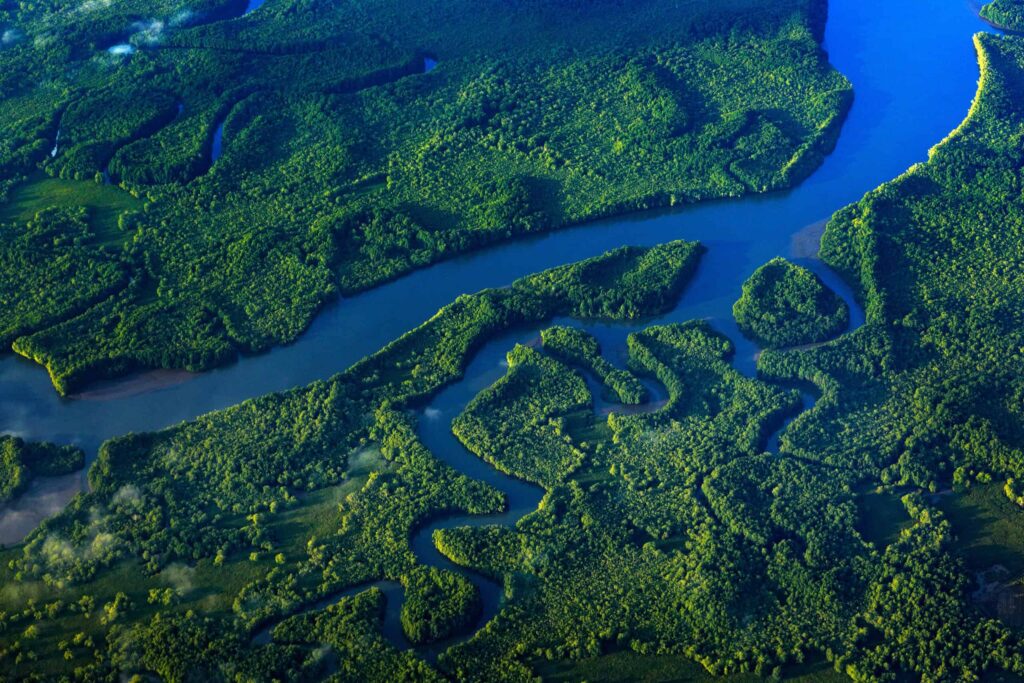
The Corcovado National Park feels like a huge and unforgettable privilege. At 424 square kilometres this is one of the largest remaining areas of lowland tropical primary rainforest in the world. It’s considered a hugely important habitat as the park hosts 3% of the world’s biodiversity. Groups of coatimundis and peccaries roam, foraging the forest floor. Corcovado is also home to all four species of monkeys found in Costa Rica – the larger spider and howler monkeys, the mid-sized white-faced capuchins, and the smaller squirrel monkeys.
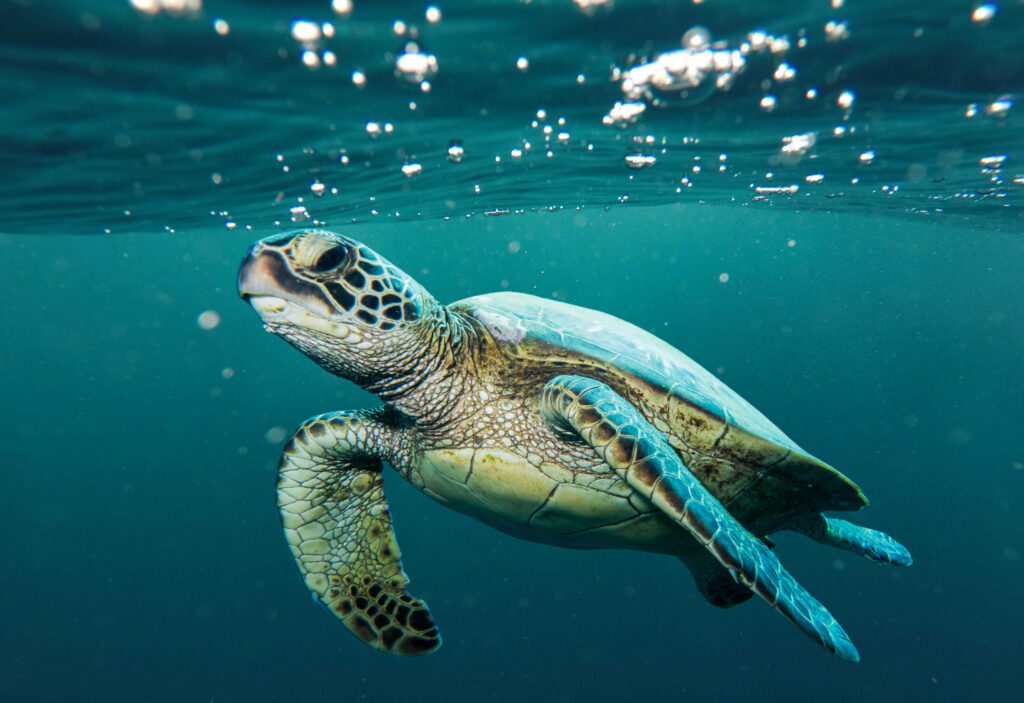
2. Watch Turtles lay their eggs in Tortuguero
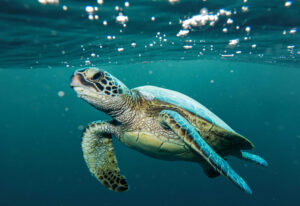
There’s no doubt that Costa Rica is one of the best places in the world to enjoy the magical of witness turtles landing on the beaches to nest. Tortuguero translates to ‘land of turtles’ and is known for its vast numbers of green sea turtles. There’s also a chance you will see leatherbacks, loggerhead, perhaps even a Hawkesbill. Though green turtles nest here from March to October, July to September is usually the optimum period. Some turtles can be spotted during the day, but the vast majority will arrive under the cover of darkness, so it’s best to book yourself onto a night tour.
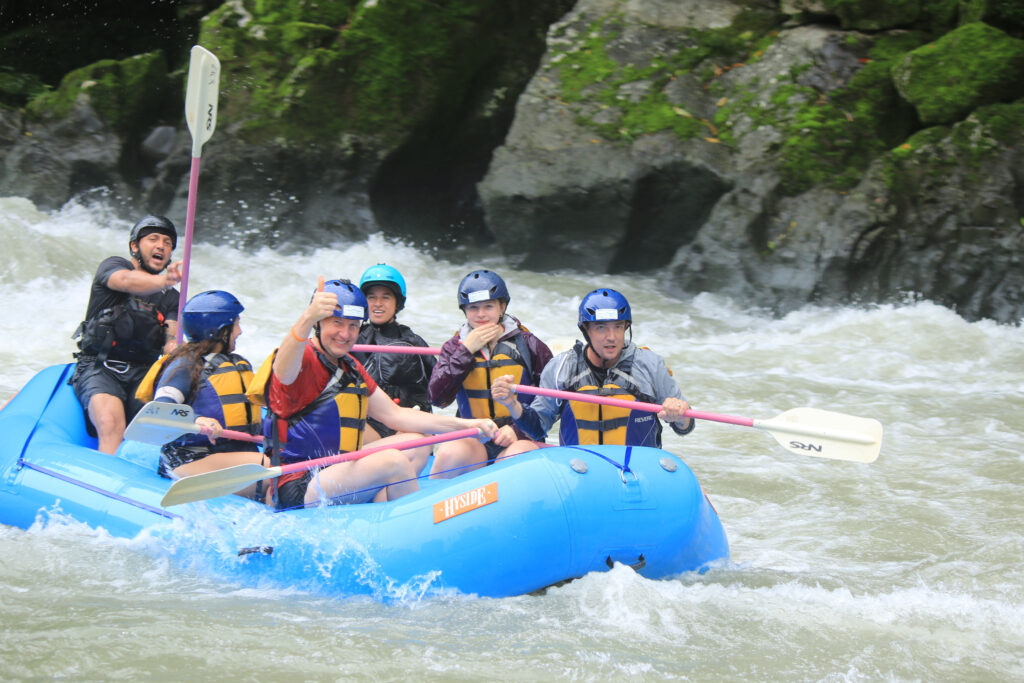
3. Go rafting and zip-lining under Arenal Volcano
Arenal Volcano (1633m) is a stratovolcano, similarly to Vesuvius in Italy. The gateway to the volcano is a beautiful little town called La Fortuna and there are a fantastic range of activities to enjoy here. You an hike around the slopes of the volcano and swim in natural hot springs, abseil down waterfalls, take an aerial tram or zip-line through the trees, cruise on the lake, see sloths in their natural environment, and go white water rafting on the nearby Balsa River. Its a multi-activity haven and a great place to spend a few days.
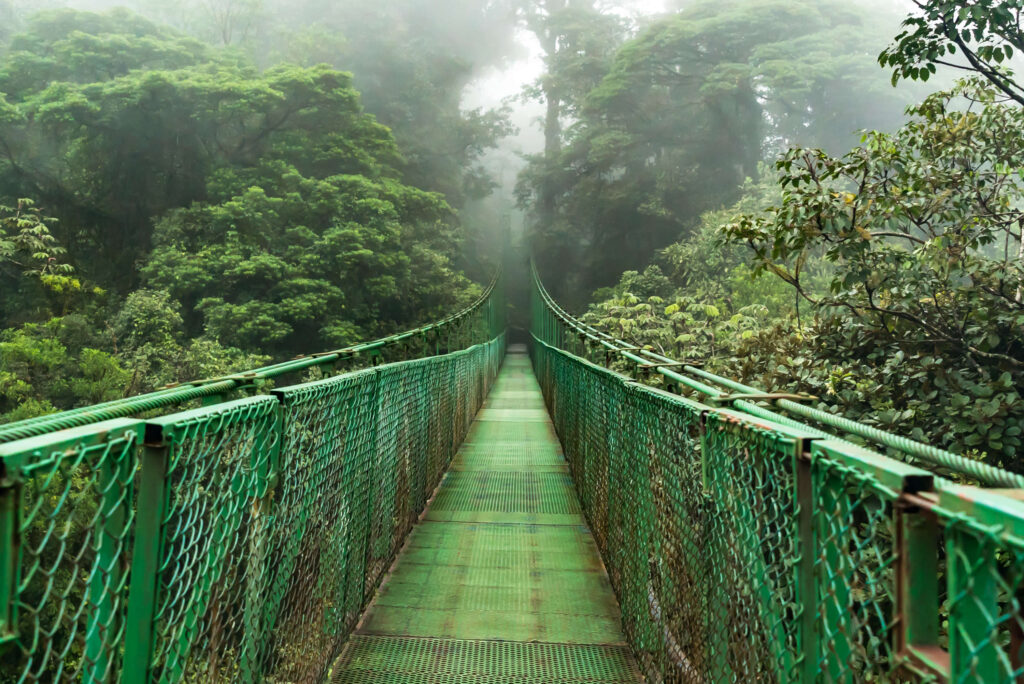
4. Tree-top walks in the Monteverde Cloud Forest
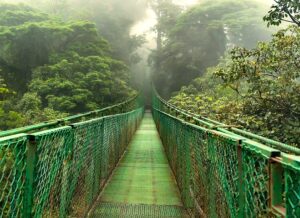
Monteverde’s renowned cloud forest lies in the Cordillera de Tilarán mountains, just south of Lake Arenal, with Santa Elena as its main town. Getting there is part of the adventure — whether by car or the scenic bus-boat-bus route via Lake Arenal. Several parks offer extensive trails and hanging bridges, ideal for spotting wildlife. While self-guided walks are possible, a local nature guide can greatly enhance the experience. The area also features sanctuaries for sloths, reptiles, and butterflies, plus coffee and chocolate tours.
5. See Antarctic and Northern Humpback Whales
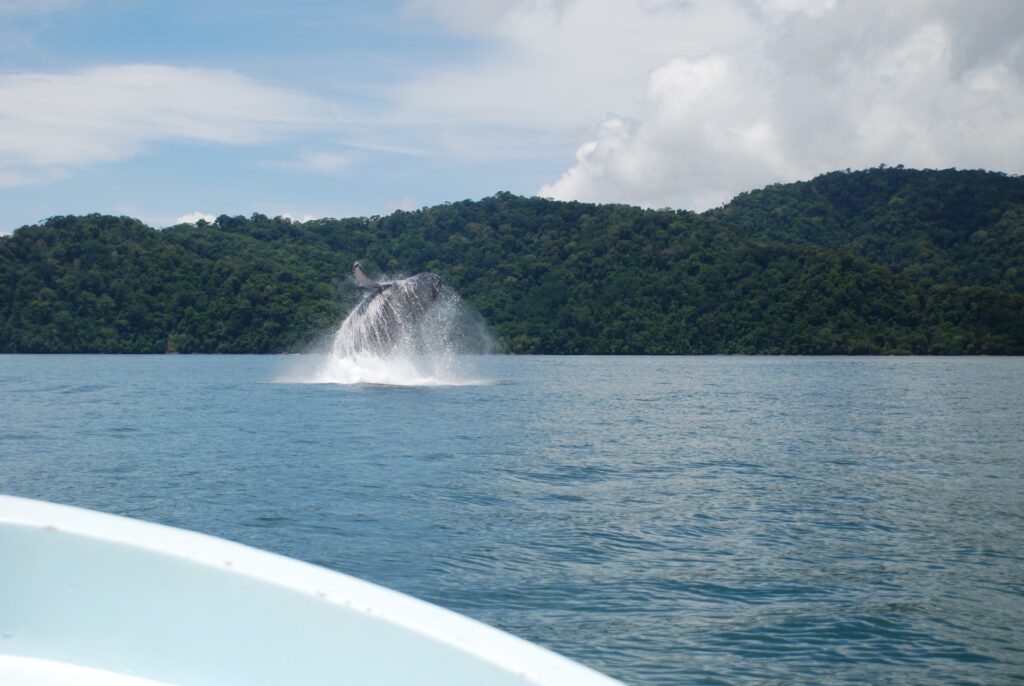
Humpback whales can be spotted in two key areas along Costa Rica’s Pacific coast: Golfo Dulce near the Osa Peninsula, and Ballena Marine National Park in the Central Pacific. These warm, nutrient-rich waters attract whales from both hemispheres, creating two viewing seasons. For Antarctic humpbacks, visit between August and October; for northern humpbacks, aim for late December to February. If you’re lucky, you might even catch a glimpse en route to a remote lodge on the Osa Peninsula.