The Details
The Douro Valley is one the oldest demarcated wine region in the world. Sebastiao Jose Carvalho e Melo, the Marquis of Pombal and right-hand man to Dom Jose I (1714 – 1777), founded the Real Companhia Geral da Agricultura das Vinhas do Alto in 1756. His Royal Company of Vine-Growers of the Alto Douro was designed to protect the Douro’s port wine producers from exploitation by disreputable UK importers, but he also established a Denominacao de Origem Controlada which formalised a port wine vinification method, protected the regional grape varieties, and set the geographical boundary within which all production must occur.
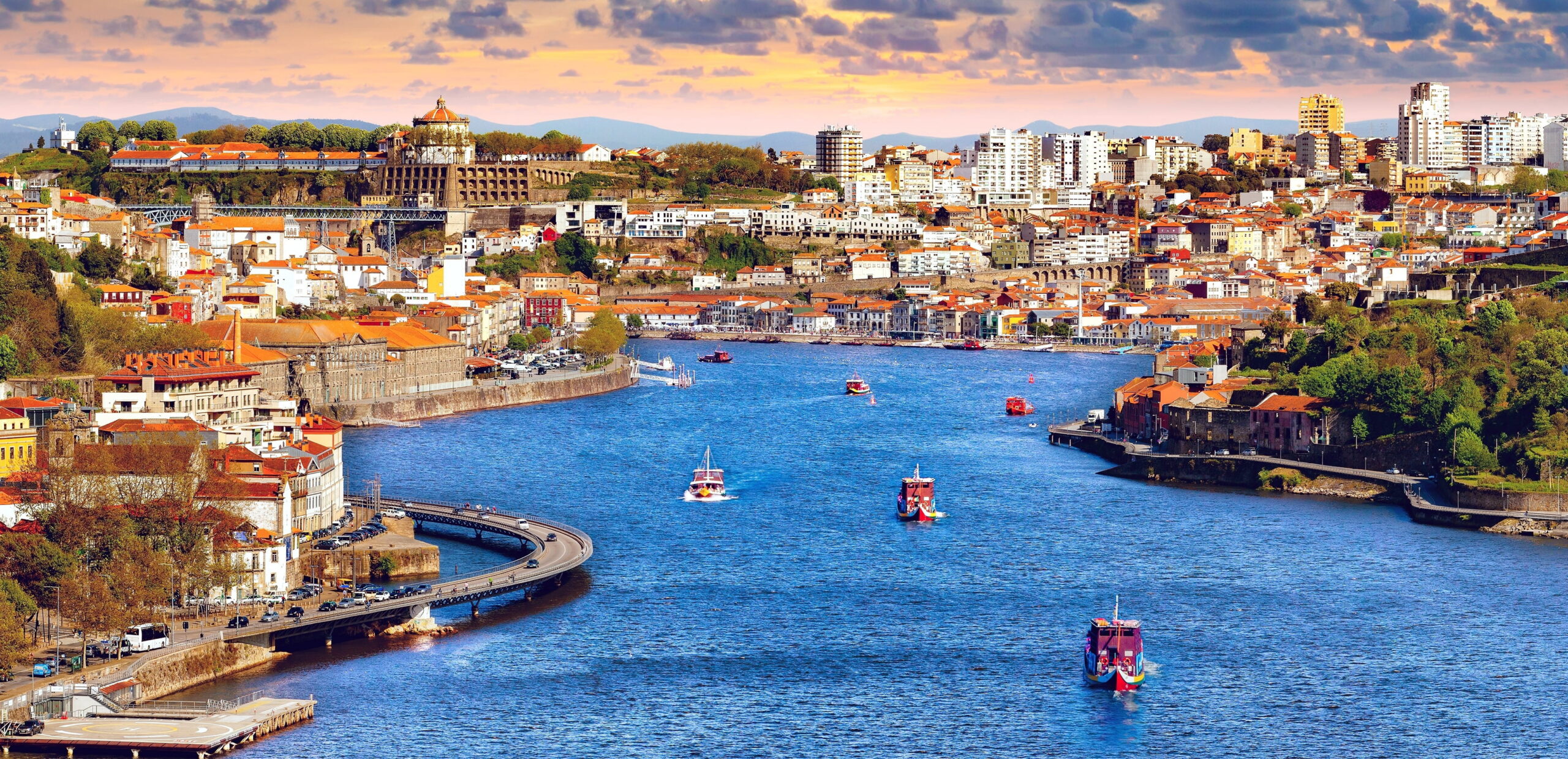
Porto gives port wine its name, and the city’s Instituto dos Vinhos do Douro e do Porto now overseas all wine production. Most wines are actually aged across the river in the port houses of Vila Nova da Gaia – all are bottled there: young rubies, aged tawnies, dry whites, late bottled vintages, and premium reserves. Every drop of wine passes through Gaia, every litre is logged in triplicate by the IVDP, and every pipe of port is born upriver in the vineyards of the Douro Valley.
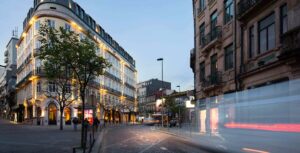
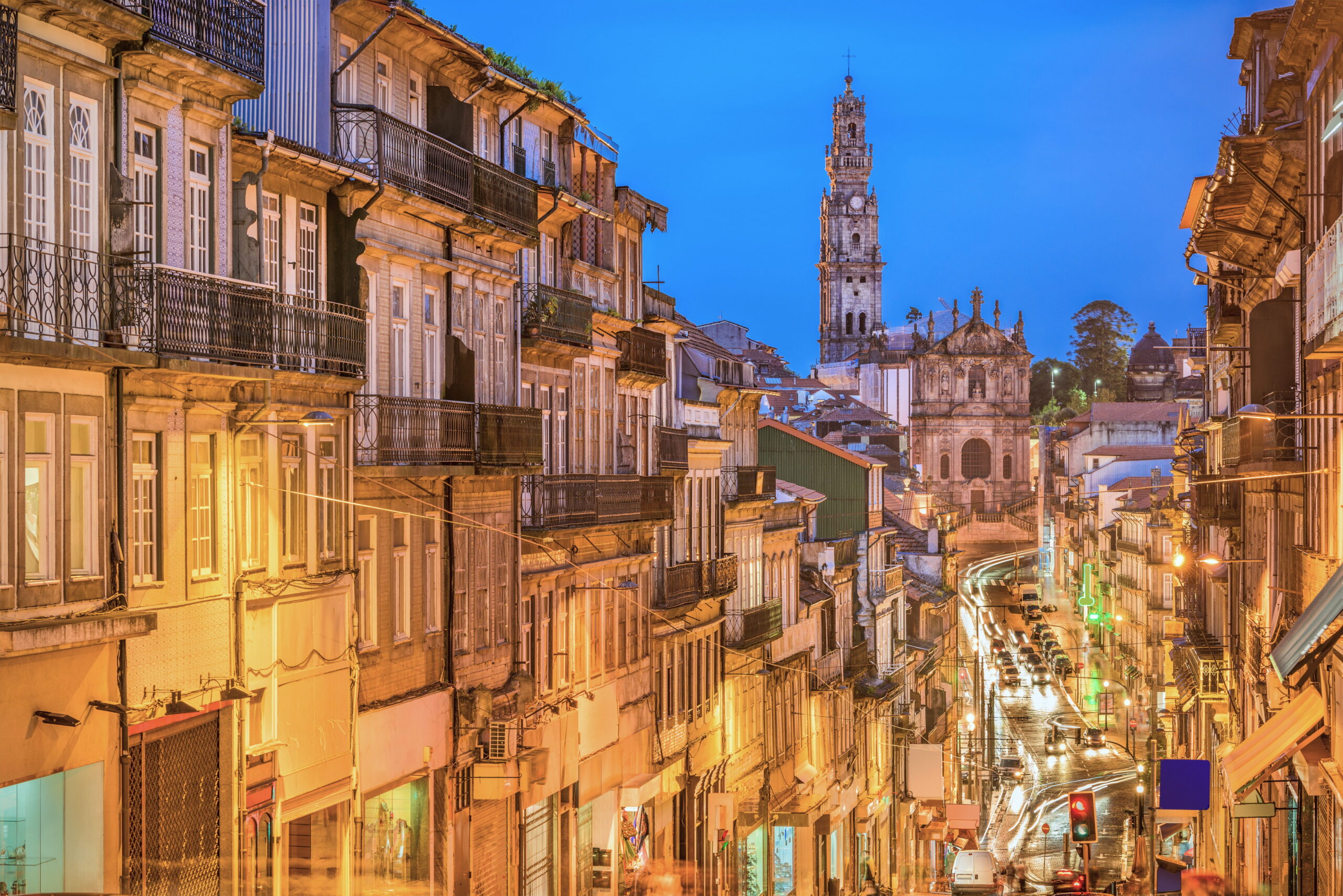
Your journey begins with three nights in downtown Porto. It’s important to understand that port wine isn’t considered an occasional aperitif or a seasonal dessert wine here: it’s the life blood of the city. Like all Portuguese wines, it must be paired with food – a guided food tour is your crash course in the hearty, seasonal cuisine of the north, and don’t be alarmed if you’re served a chilled ‘red’ port wine or a Porto Tonico: the rules are both set and broken in this city.
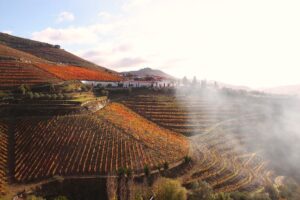
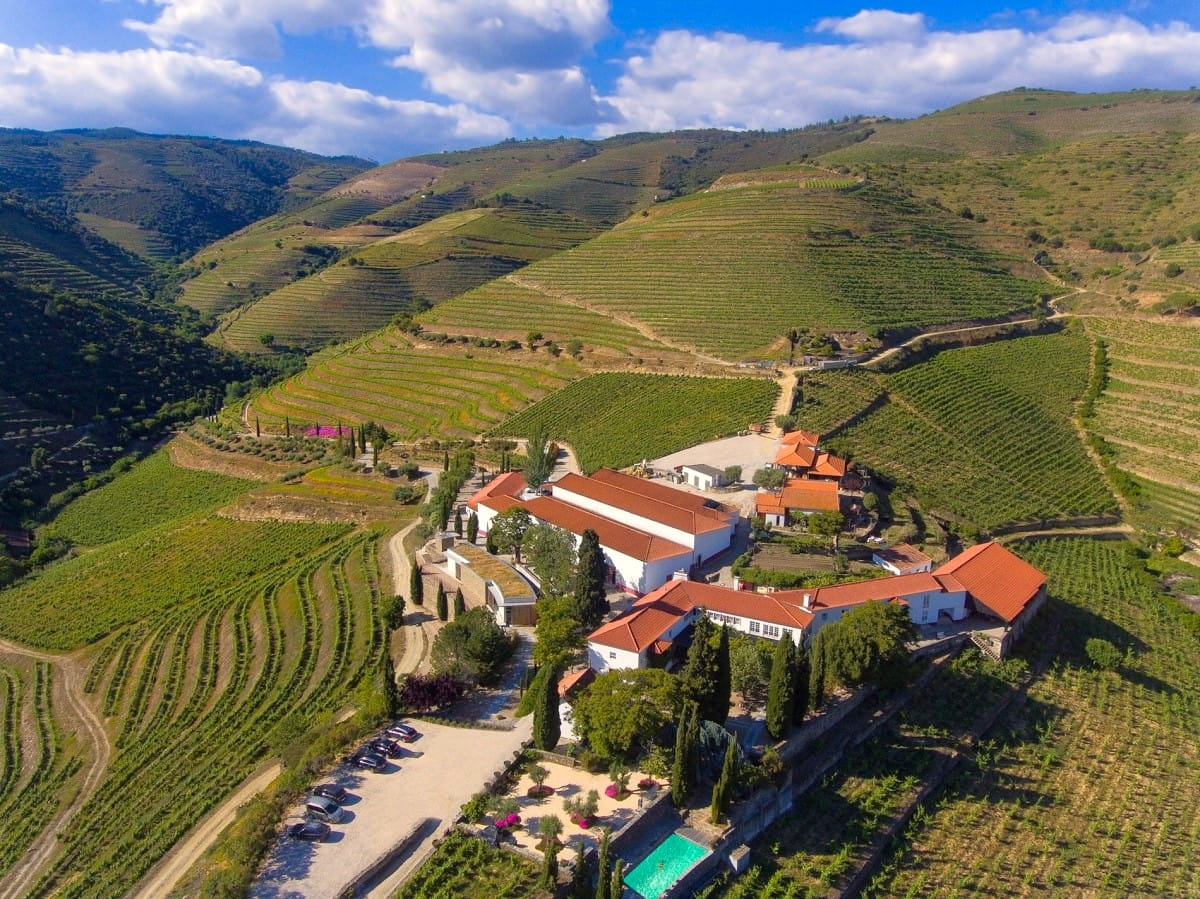
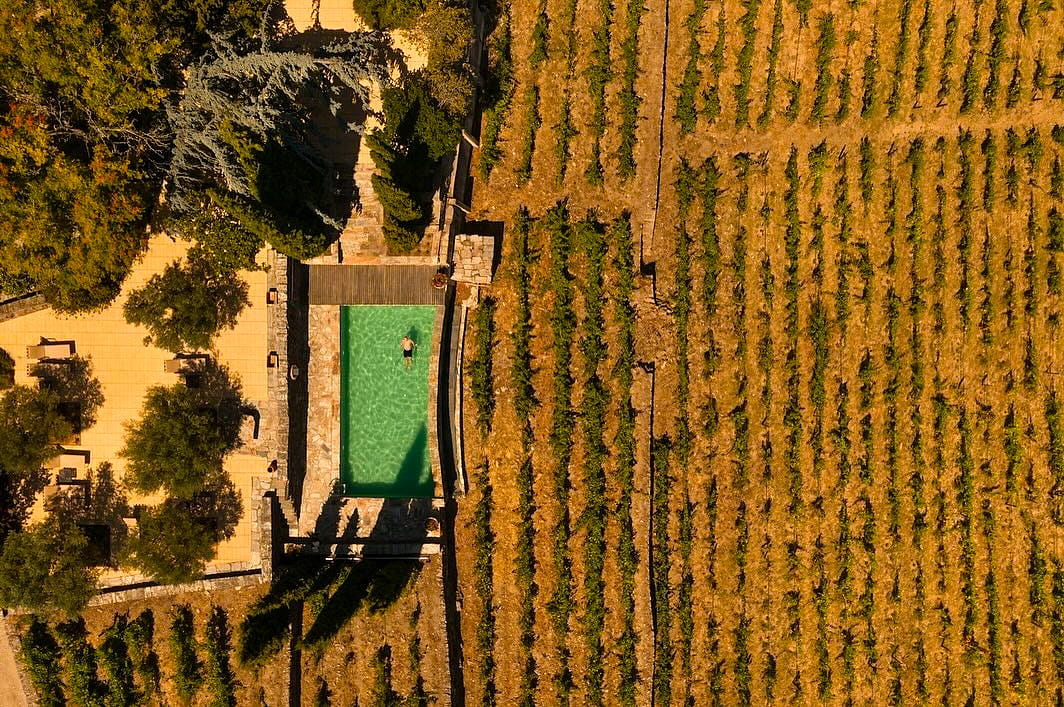
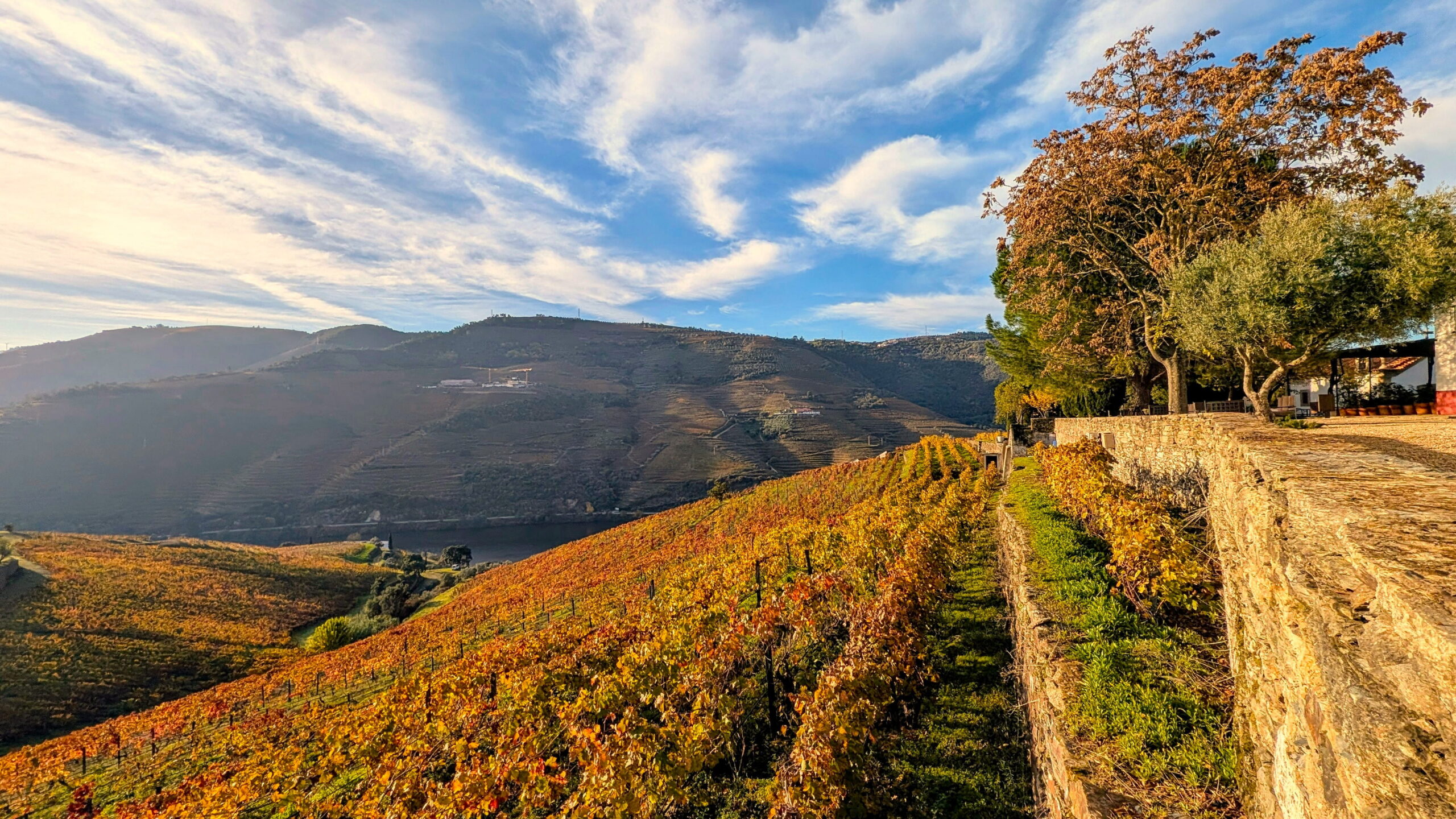
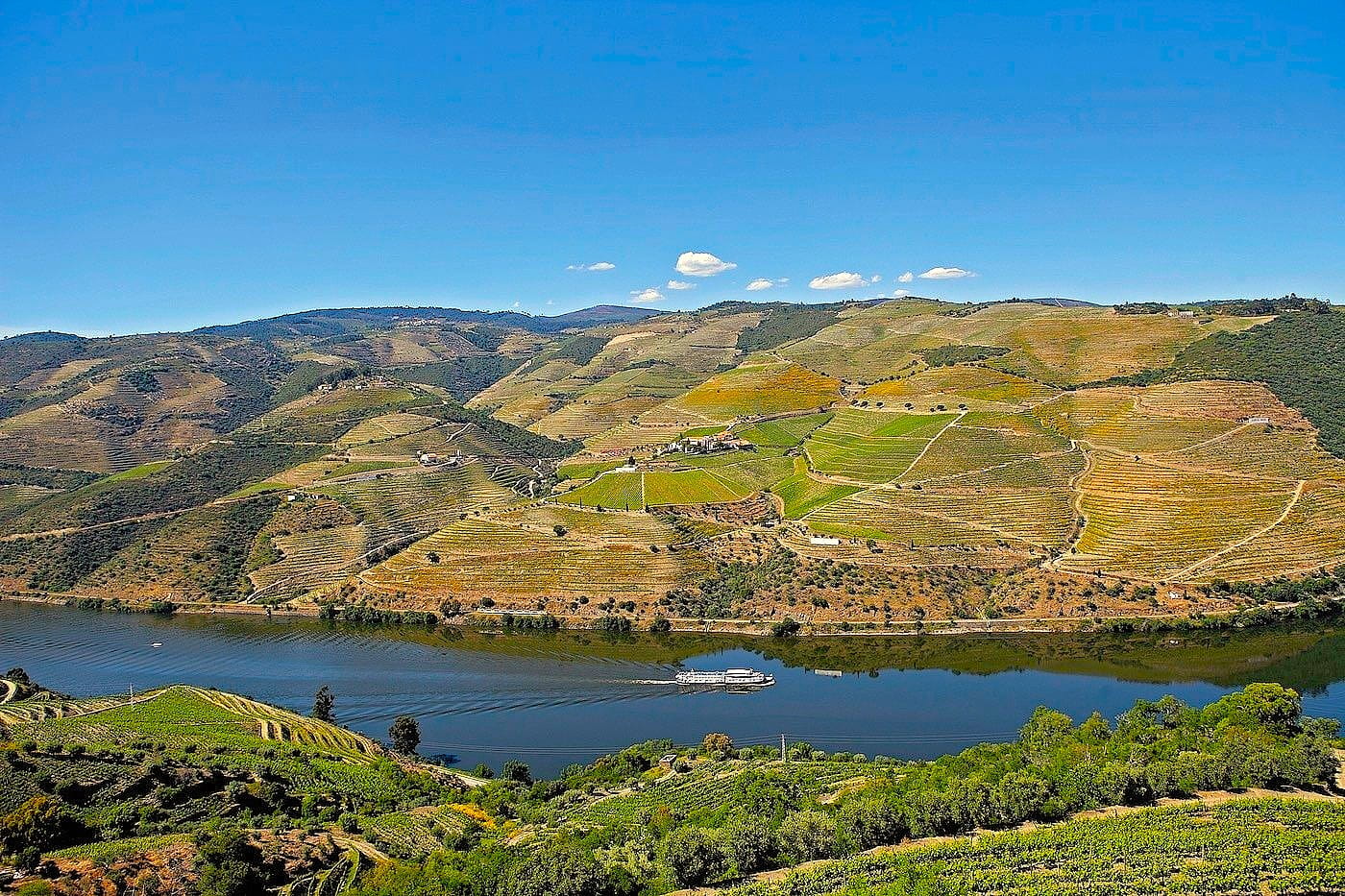
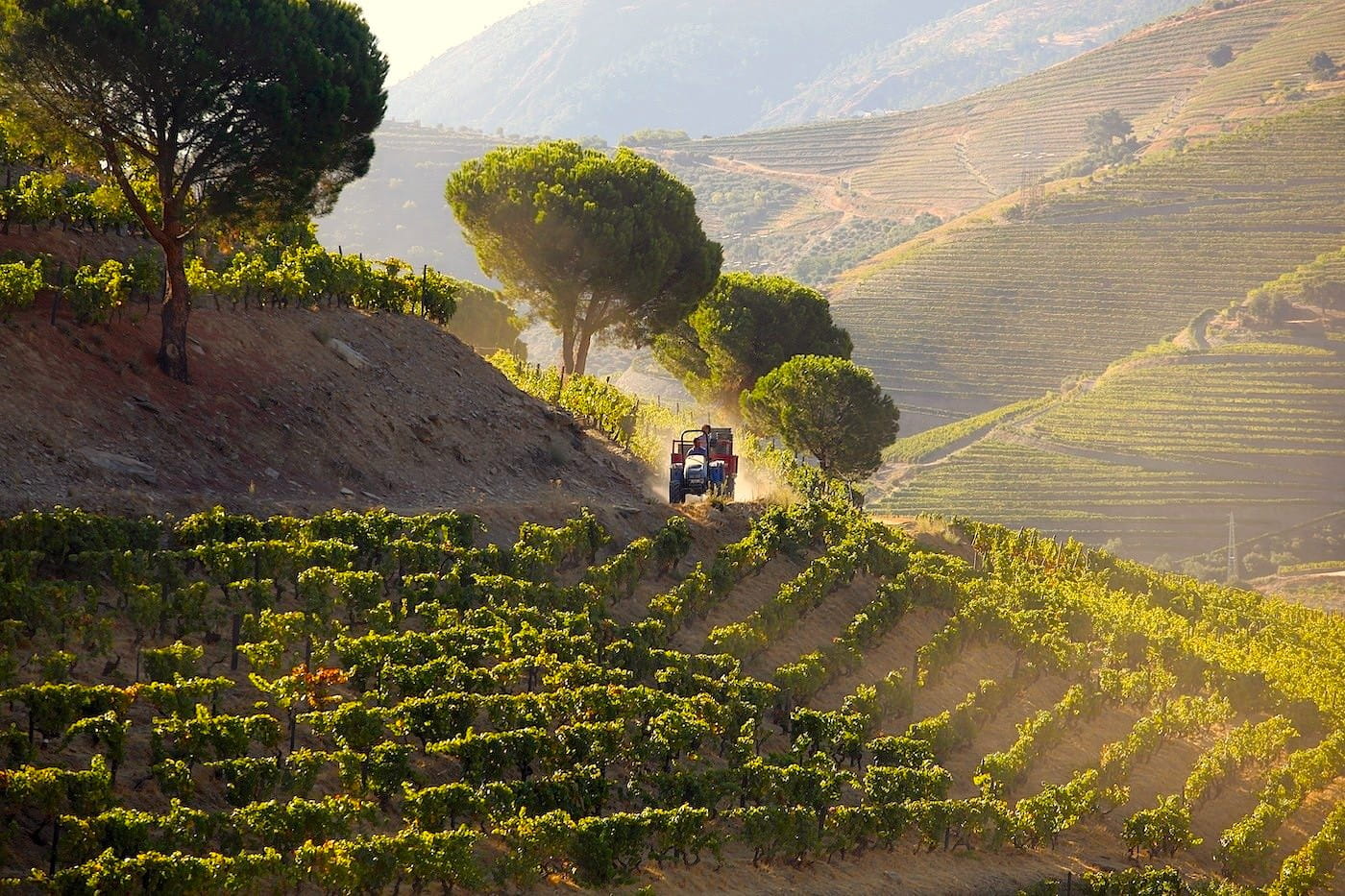
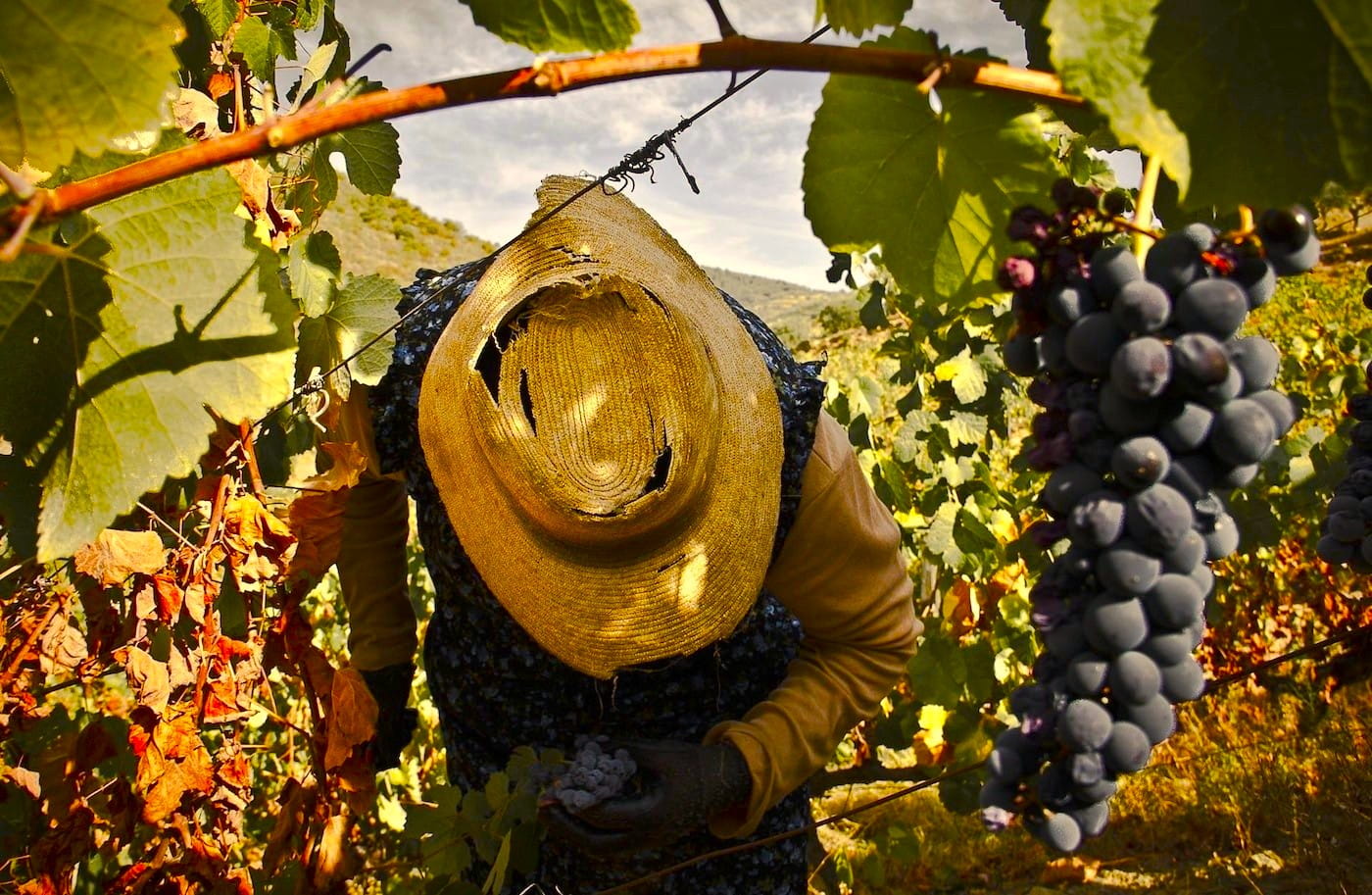
Heading upriver to the source, you’ll spend three nights in the true home of port wine: the beautiful, enchanting Douro Valley. At Quinta Nova Nossa Senhora do Carmo, you’ll explore the distinctive, ordered terraces which traverse the steep sided valleys, where the tricky topography still dictates that grapes are harvested by hand. Manual labour preserves the heritage of the wine, whilst modern technology ensures its consistent quality.
Winters can be cold here, but the region is protected by the nearby Serra do Marao mountains. Spring sees an almost co-ordinated explosion of life, as the vineyards awaken on queue. Summers can be intensely dry, but the valleys are well-irrigated by the Douro River, and the mellow, rusting hues of autumn are a perfect match for the tawnies and ambers of the region’s coveted wines.
Quinta Nova is one of the Douro’s oldest producers – a small chapel still pays testament to its humble beginnings, when Jose Francisco Teixeira purchased the land from Dom Jose I in 1725. His first winery was here when Marquis created the Real Companhia; a time when harvested grapes were crushed underfoot in large granite ‘lagars’. Mechanical de-stemmers, automated pressies and stainless-steel fermentation tanks aren’t quite as romantic, but the quinta’s state-of-the-art 21st century winery is no less impressive. You’ll sample their farm-to-table wines, perfectly paired by Chef Andre Carvalho at Quinta Nova’s Restaurante Terracu.
Moving downriver, your journey ends amongst the port houses of Vila Nova da Gaia. Gaia is also journey’s end for every pipe of port wine; it’s aged here, blended and bottled here, and exported from Gaia to the four corners of the globe.