Discover Lisbon
As one of the continent’s oldest cities, the Portuguese capital has stood guard over the western fringes of Europe for over 3000 years. There’s evidence to suggest that the Phoenicians created the first settlement here on the north bank of the Tagus, although that’s hotly contested. The Romans definitely settled here – Olisipo was theirs for almost 700 years and they recognised the strategic importance of the location.
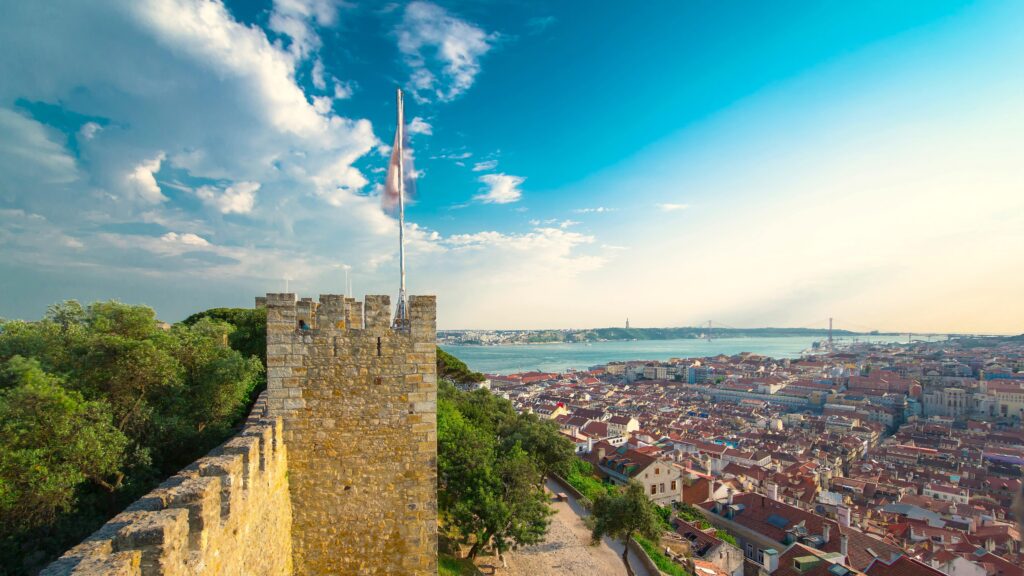
Looking out from the walls of the Castelo de Sao Jorge, the view from this easily defendable vantage point stretches for miles, and the river acts as a natural moat to deter would be attackers. The Tagus was also an important food source for the Romans and their connection to the outside world, particularly as their Empire grew to encompass northern Europe. After the fall of Rome, the Moors swept across the Iberian Peninsula – Al-Ushbuna was their Lisbon for over 400 years, until Christian crusaders captured the city in 1147 – and Lisboa became the capital of the kingdom of Portugal in 1255.
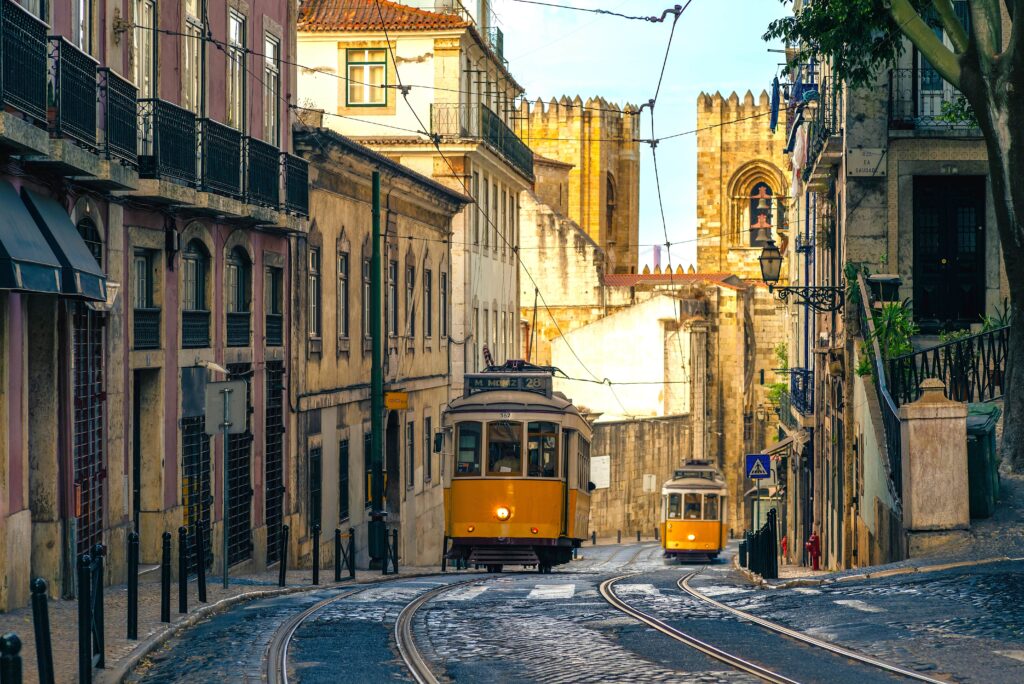
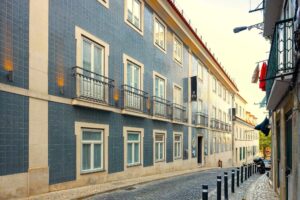
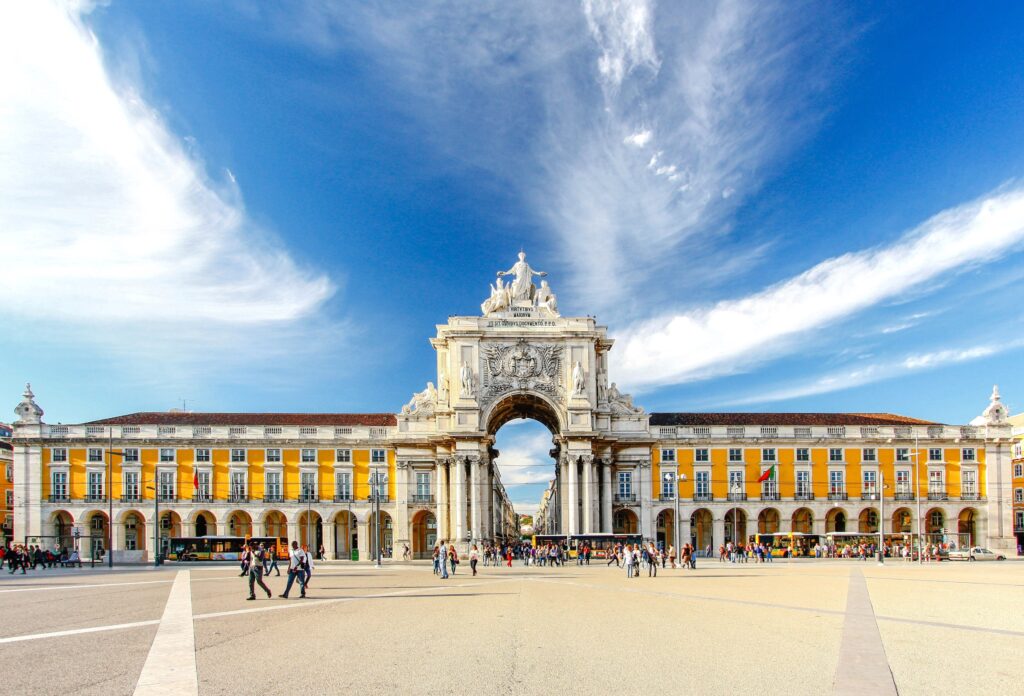
The district of Alfama still sits on the same twisting footprint of streets these occupiers created, and getting lost in its cramped streets and constricted alleyways gives a good feel for how jumbled and medieval Old Lisbon would have been. By contrast, New Lisbon is characterised by the capacious Praca do Comercio, the dramatic 19th century classical architecture of the Rua Augusta triumphal arch, and the regimented, criss-crossing streets of downtown Baixa and Bairro Alto.
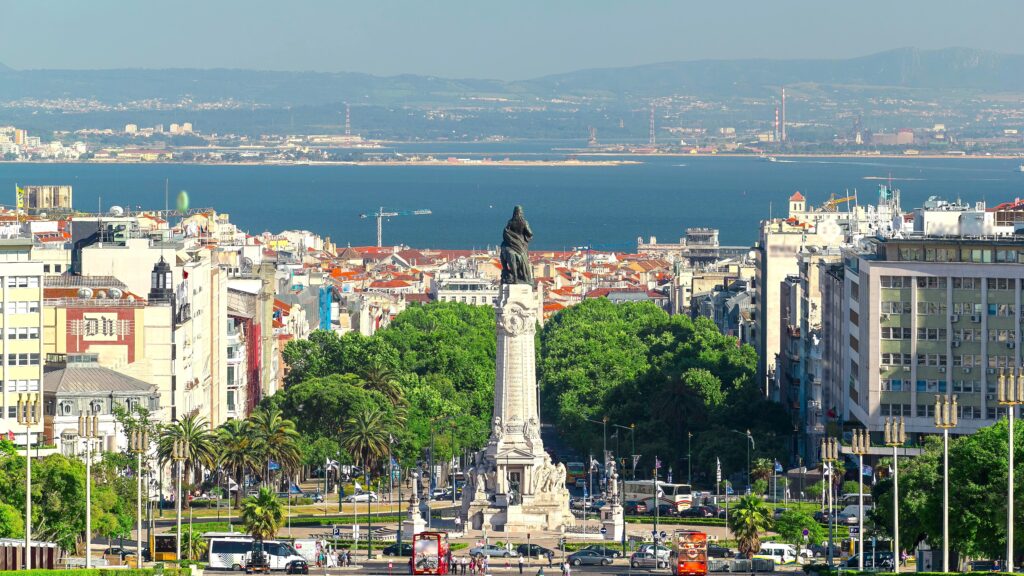
The devastating earthquake of 1755 is the dividing line between these two different Lisbons – considered the largest earthquake ever to have hit mainland Europe, it generated floods and fires which destroyed the old Royal Palace and most of the downtown district. Pre-earthquake, Lisbon was one of the richest cities in the world thanks to the vast quantities of gold being extracted from colonial Brazil. Sebastiao Jose Carvalho e Melo, the Marquis of Pompal and King Jose I’s right-hand man, remodelled downtown Baixa on the other great capitals of Europe, whilst the poor of Alfama simply rebuilt on the old, disjointed Roman footprint. The regeneration was a severe drain on Lisbon’s great wealth, and the Marquis grew into a controversial, dictatorial figure – his statue sits at the top of his grand Avenida Liberdade.
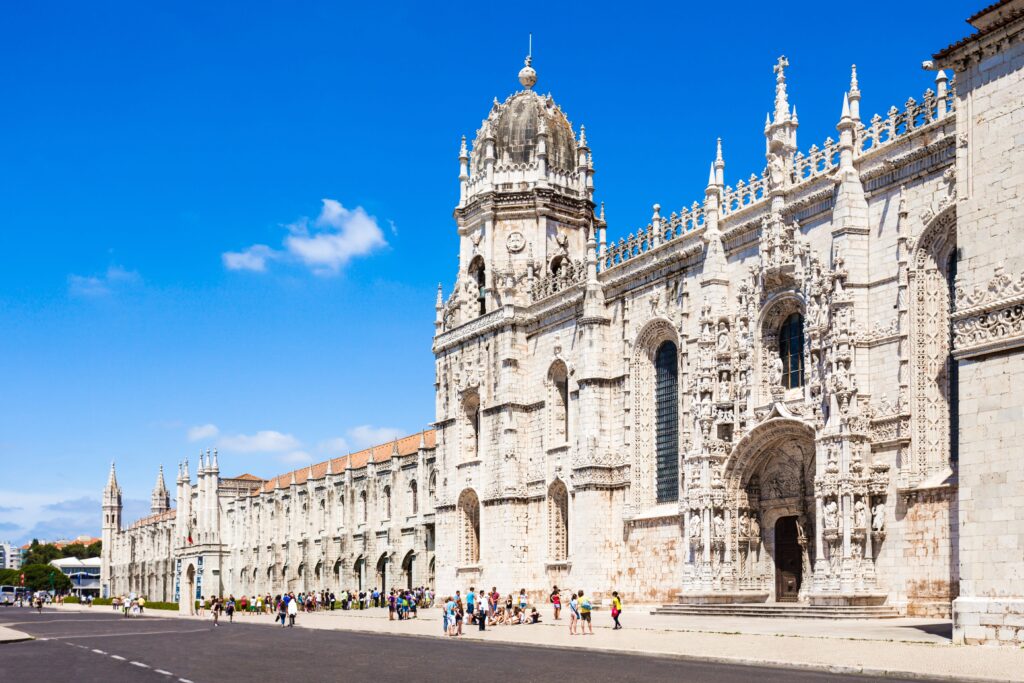
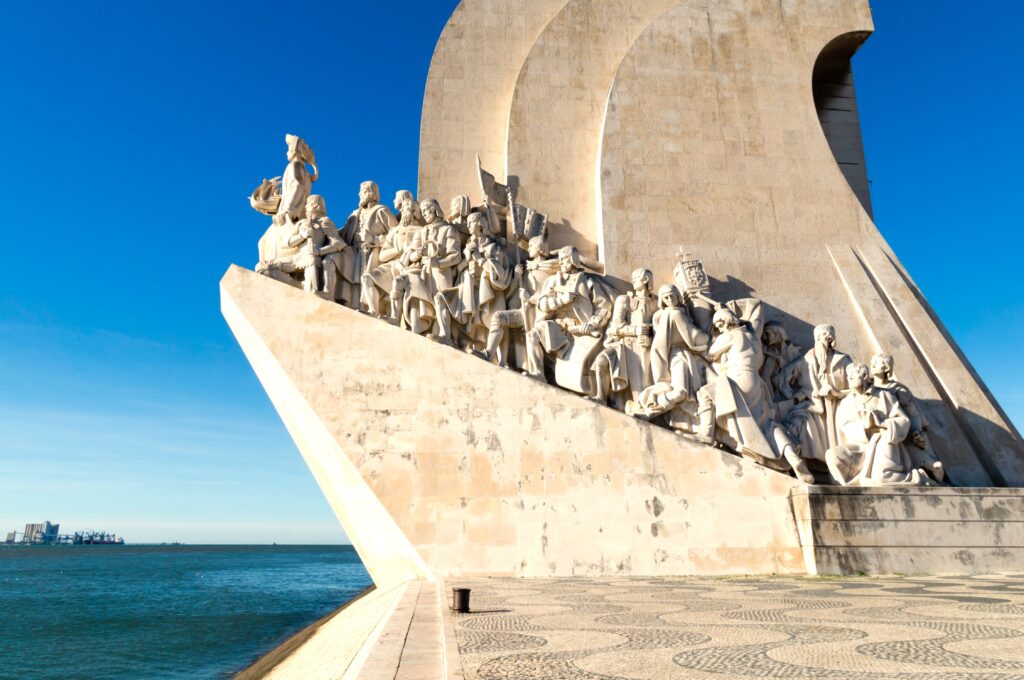
Downriver, the historic buildings of Belem escaped the earthquake relatively unscathed. The beautifully ornate 16th century Jeronimos Monastery is one of the best-preserved examples of Manueline architecture, and the Torre de Belem and the Padrao dos Descobrimentos both stand as impressive monuments to the Age of Discoveries. Modern-day Lisbon is well-represented here too – Centro Cultural de Belem, the MAAT and the Museu Colecao Berardo celebrate contemporary Portuguese art in all its forms.
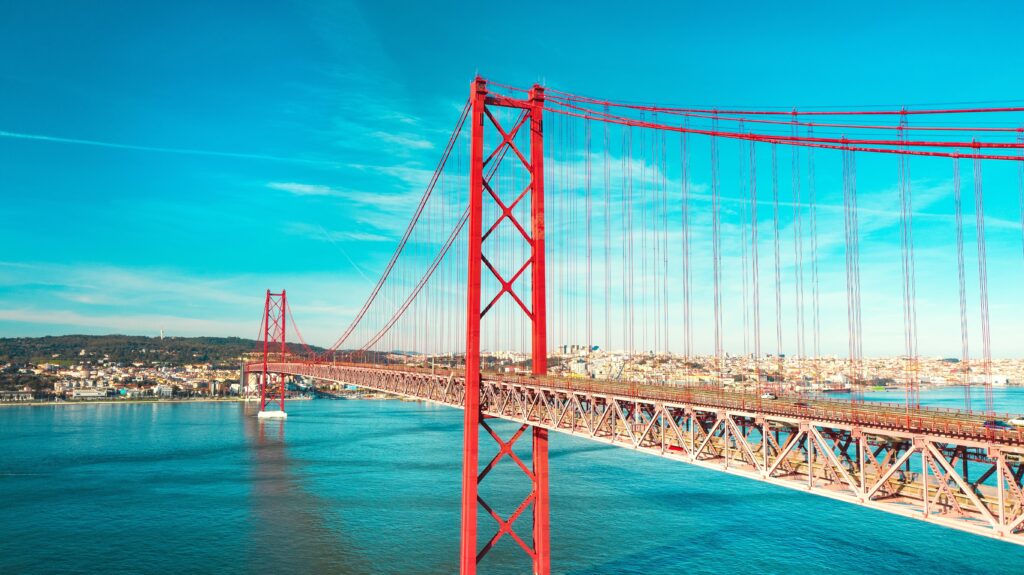
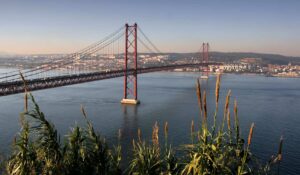
The nearby Ponte 25 de Abril suspension bridge is a work of art in its own right. The 2km bridge was completed in 1966 and was originally christened the ‘Ponte Salazar’ – named after Prime Minister Antonio Salazar, leader of the ruling fascist Estado Novo regime. This dark period in the nation’s history saw Europe’s great explorers retreat inwards, as the Salazar regime suppressed outside influences and free speech. A group of middle-ranking army officers, (the ‘April Captains’, as they became known), co-ordinated a military coup on 25th April 1974 by transmitting the song ‘Grandola, Vila Morena’ by Jose Afonso, and took over key institutions across the city. The Lisboetas took to the streets en-masse, and the government relinquished power six hours later. As a lasting symbol of their ‘Carnation Revolution’, the citizens marched across the bridge, forcibly removed Salazar’s plaque and painted ’25 de Abril’ in its place.
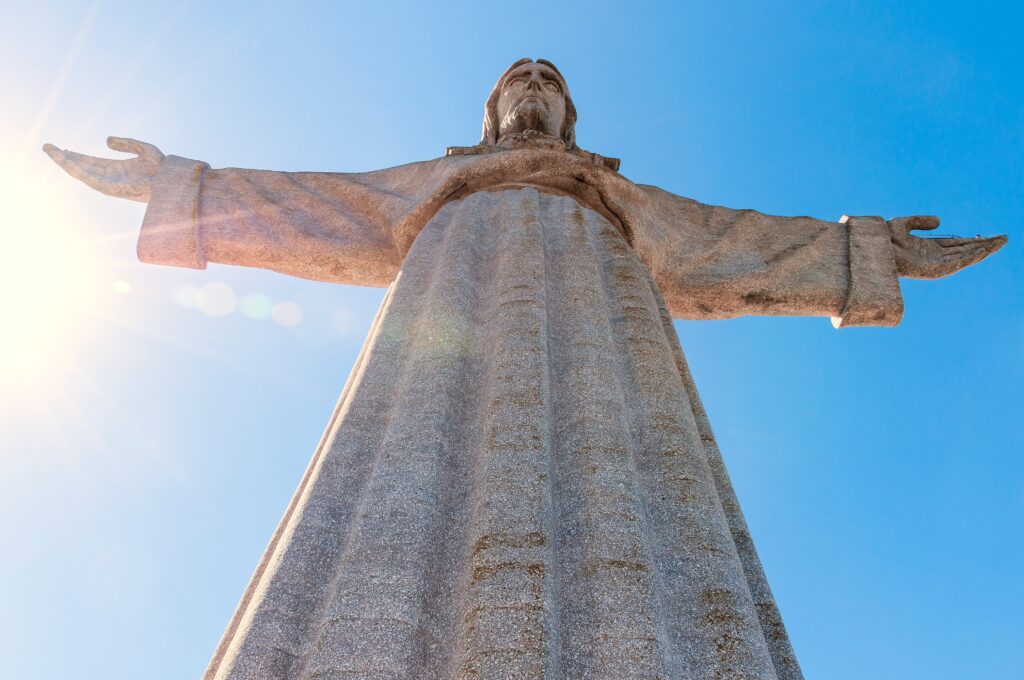
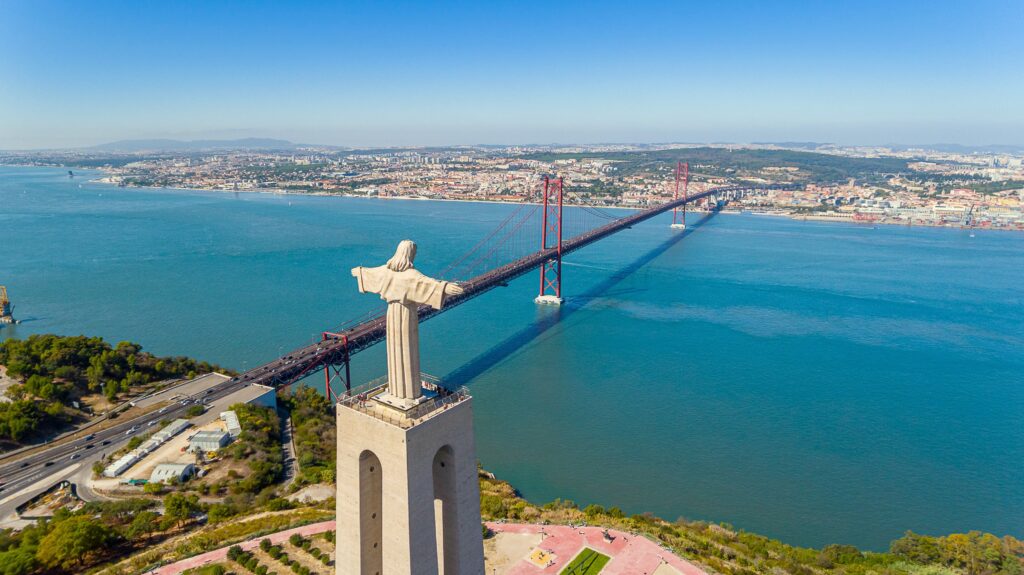
One of Lisbon’s most-photographed landmarks is south of the river in Almada: the Santuario de Cristo Rei catholic monument. Although it’s often compared to the more famous statue in Rio, its design was inspired by a much older monument on the island of Madeira. The Cais do Sodre ferry criss-crosses the river throughout the day, and the panoramic view of Lisbon from the santuario’s high vantage point is spectacular (particularly at night).
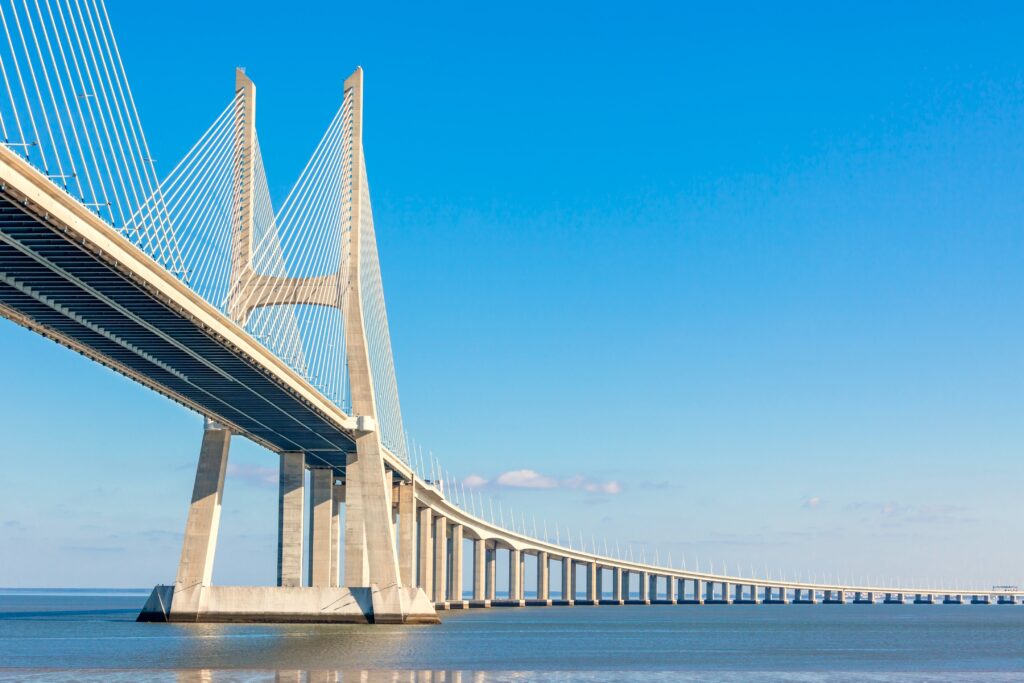
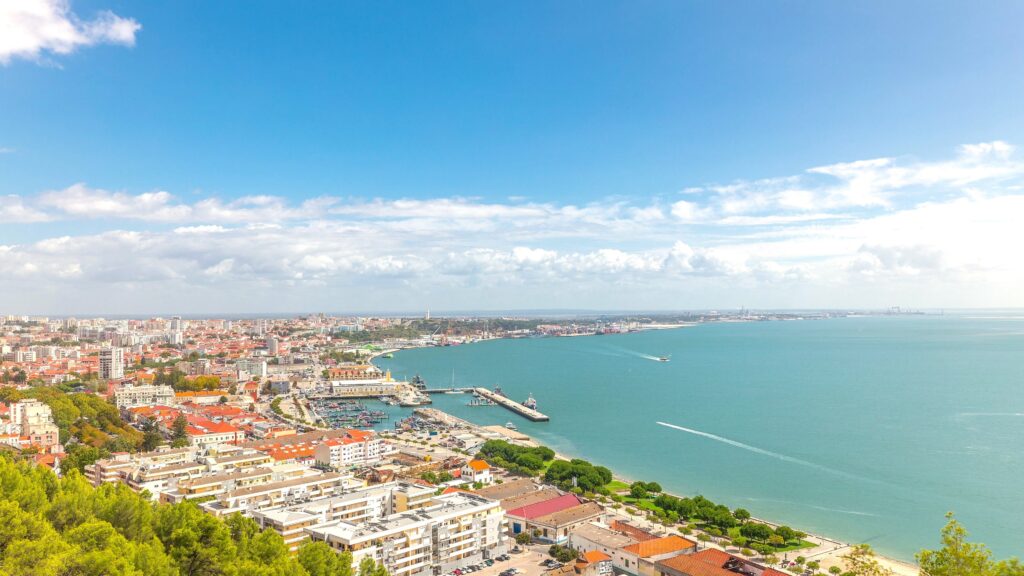
A third method of crossing the Tagus is via the impressive Ponte Vasco da Gama, which connects Lisbon’s Expo park with Montijo on the south bank. At just over 12km, it was Europe’s longest bridge when it opened in 1998, before being superseded by the 17km Crimean Bridge in 2018. It’s the gateway to the Serra de Arrabida, with its Moorish castles, moscatel vineyards and the often-overlooked city of Setubal. Once home to the Lisnave shipyards, Setubal has shrugged off its industrial past and the fish restaurants of the Doca dos Pescadores are a popular draw for the discerning Lisboetas.
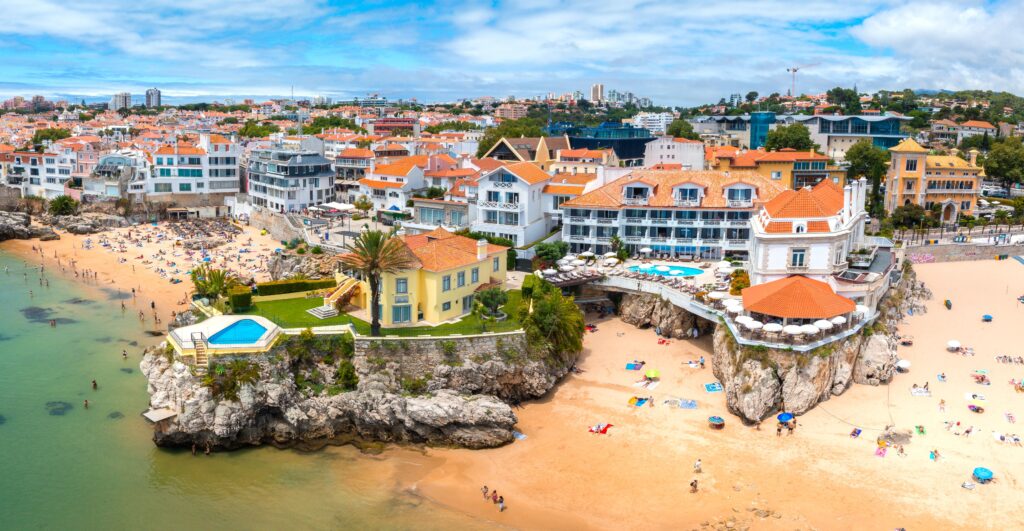
Where the Tagus meets the ocean, you’ll come to the popular seaside resort of Cascais – the go-to summer resort for many of Lisbon’s residents. Although most visitors are drawn to the beach at Praia Carcaelos, old town Cascais has an attractive, traditional-Portuguese feel thanks to its 19th century architecture. The casino in nearby Estoril famously inspired Ian Fleming’s first James Bond novel, Casino Royale, when he was stationed in Lisbon during WWII. Portugal remained neutral during the war, and Estoril and Cascais were refuges for the dispossessed rich of western Europe and a hotspot for espionage.
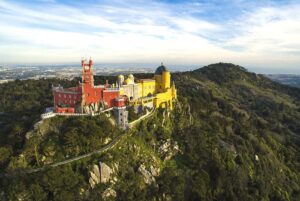
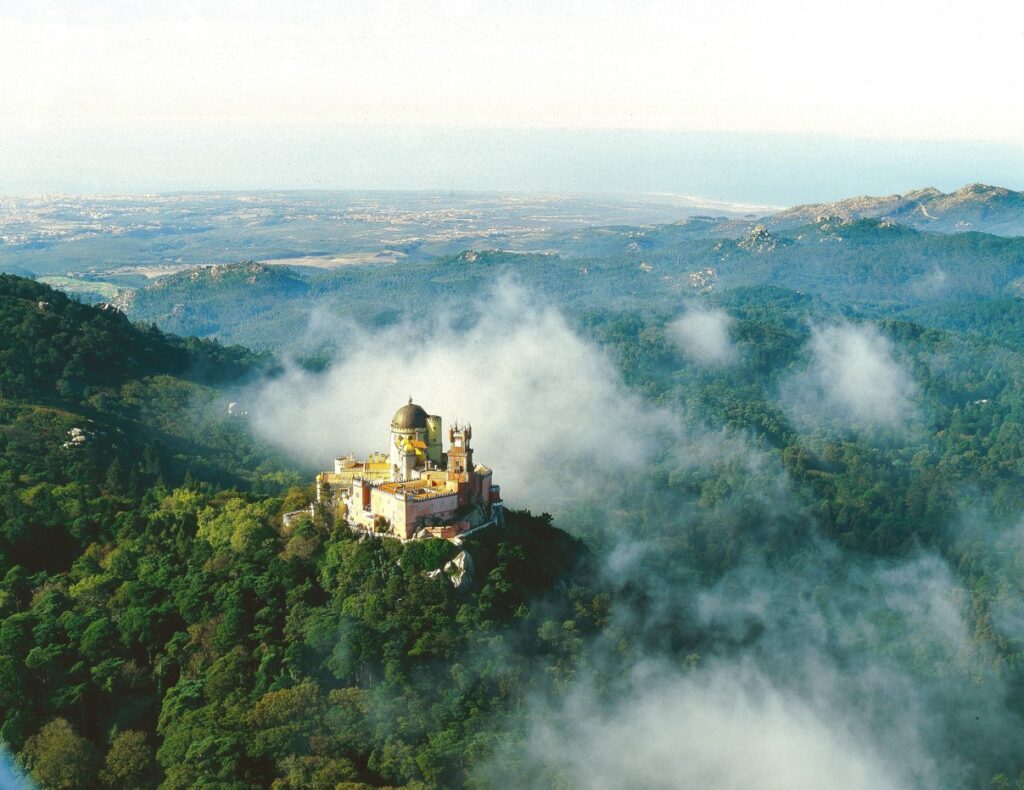
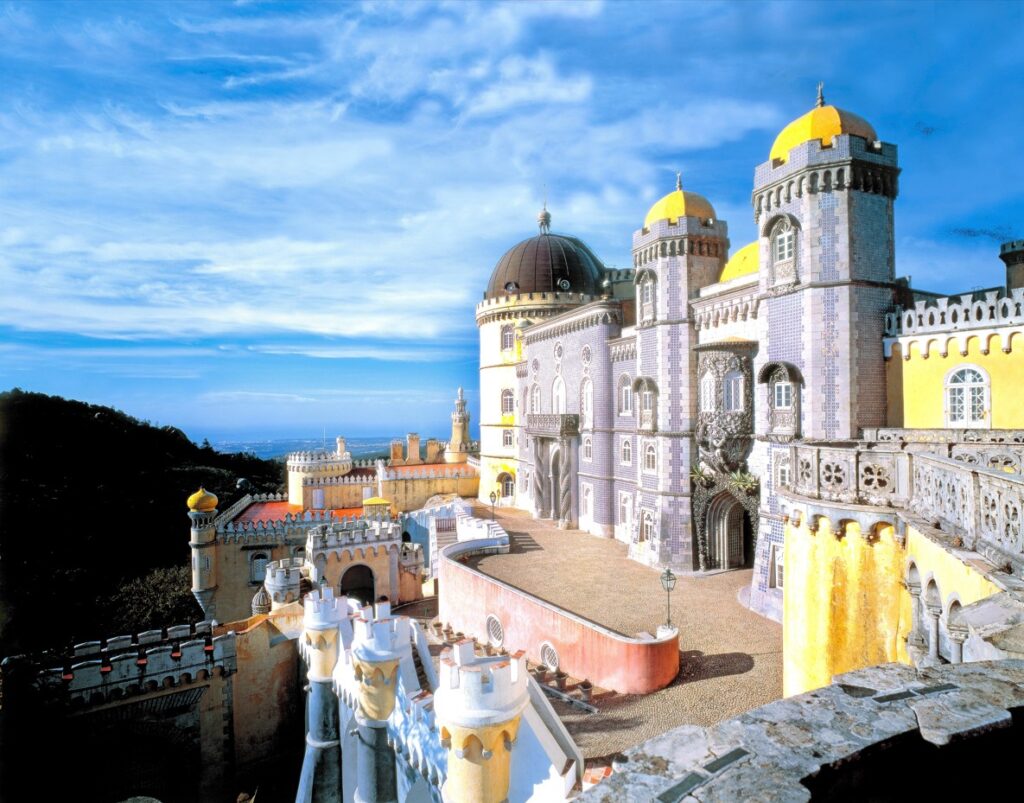
The palace town of Sintra sits high on a granite peak to the northwest. Up until the mid-19th century, Sintra was the favoured summer retreat for Portugal’s royal dynasties, as its elevated location provided a cool escape from the heat of central Lisbon. Its opulent, decorative palaces are popular with day trippers – particularly the Palacio da Pena which was commissioned by Queen Maria II at the tail-end of Romanticism in 1854. Its architecture is an eclectic mix of medieval vaulted arches, byzantine domes, Islamic stuccos, and Manueline and gothic windows, columns and arcades.
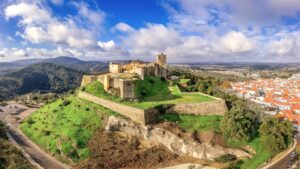
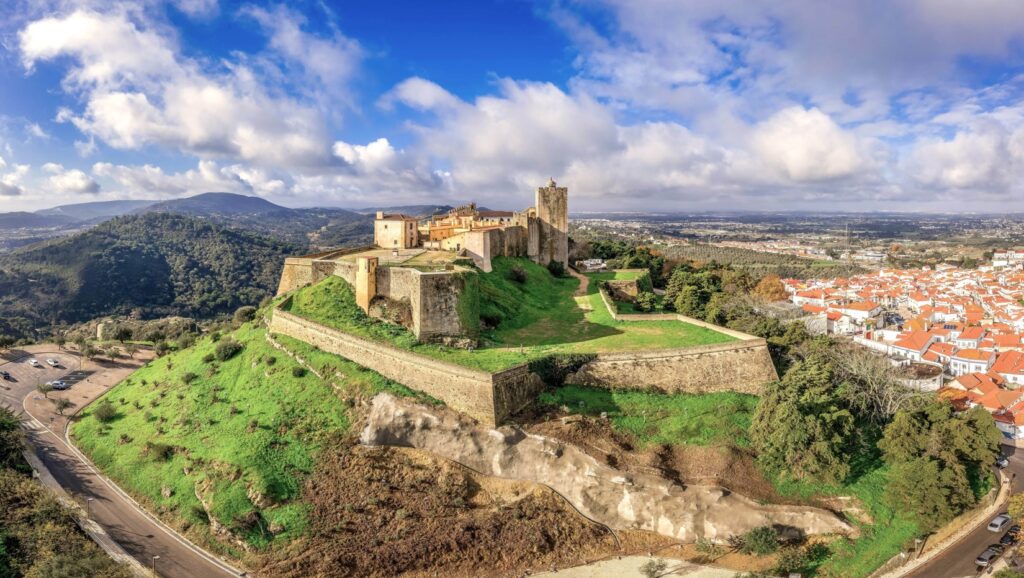
The foundations of the nearby Palacio Nacional de Sintra predate the Pena by around four centuries, although most of the present-day palace was constructed by King Joao I in the early 1400s. Still further back in time, the Castelo dos Mouros is a Moorish stronghold dating back to the 8th century, which fell to the Portuguese shortly after the siege of Lisbon.

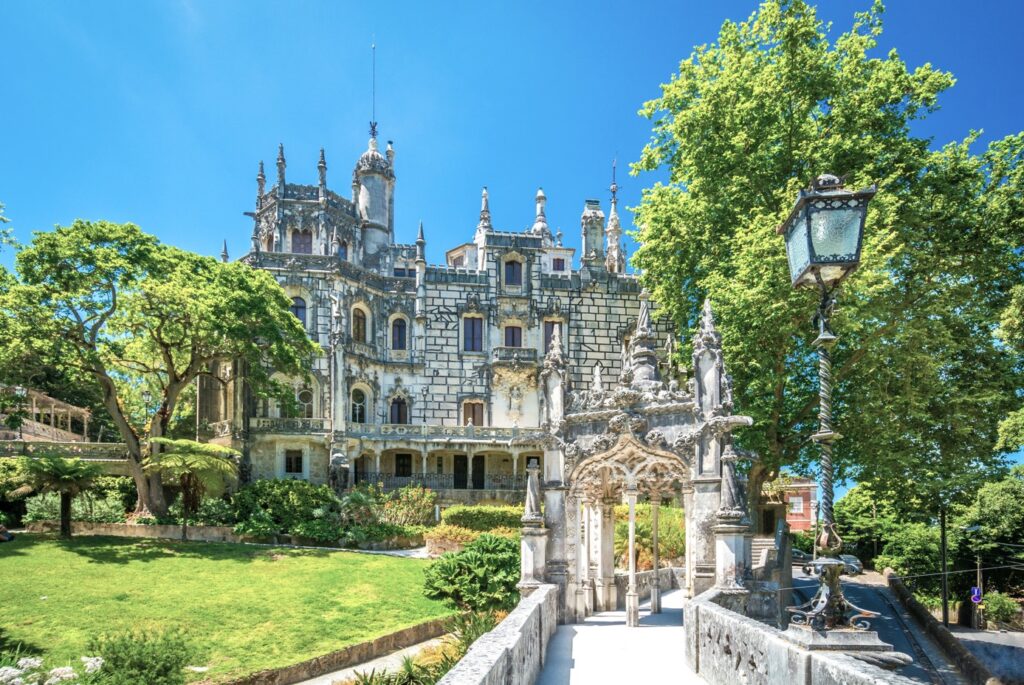
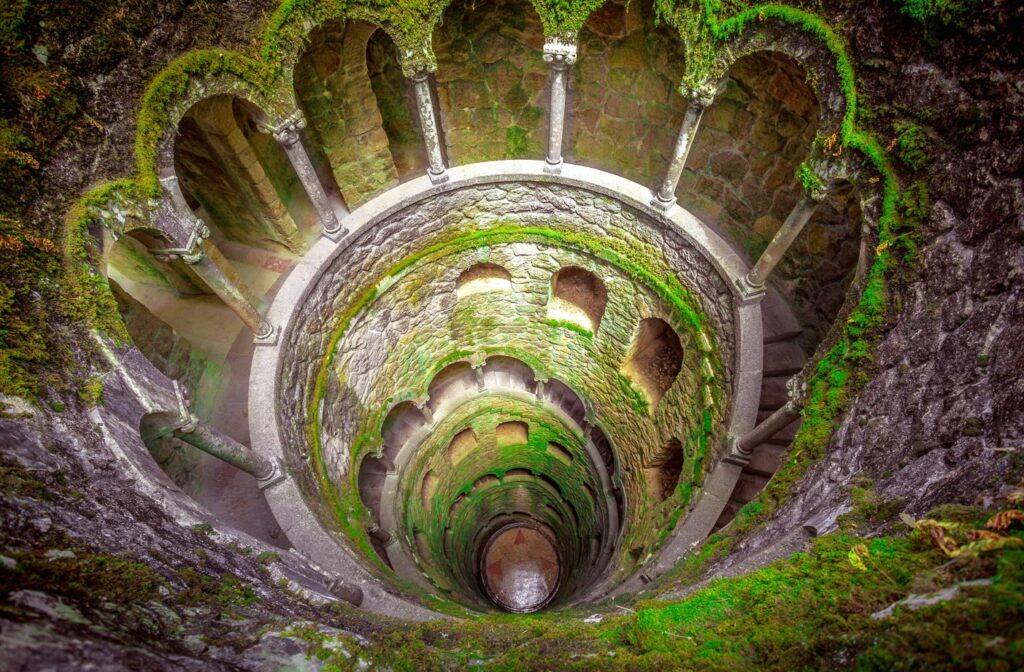
One of Sintra’s more eccentric sights is Quinta da Regaleira – a fascinating estate filled with ostentatious chapels, gothic gazebos and a peculiar network of grottos and ornate water features. Regaleira was the brainchild of Antonio Augusto Carvalho Monteiro – more commonly known as ‘Monteiro the Millionaire ‘, the gardens are an expression of his fascination with alchemy, freemasonry and the Knights Templar.
Get in touch
01768 721040We’re an independent travel company with full financial protection through either the ATOL scheme or via our IPP insurance policy.
(so your money is always safe).
But more importantly, we look after people.
We look after you from your first enquiry right through to your return home.