Summary
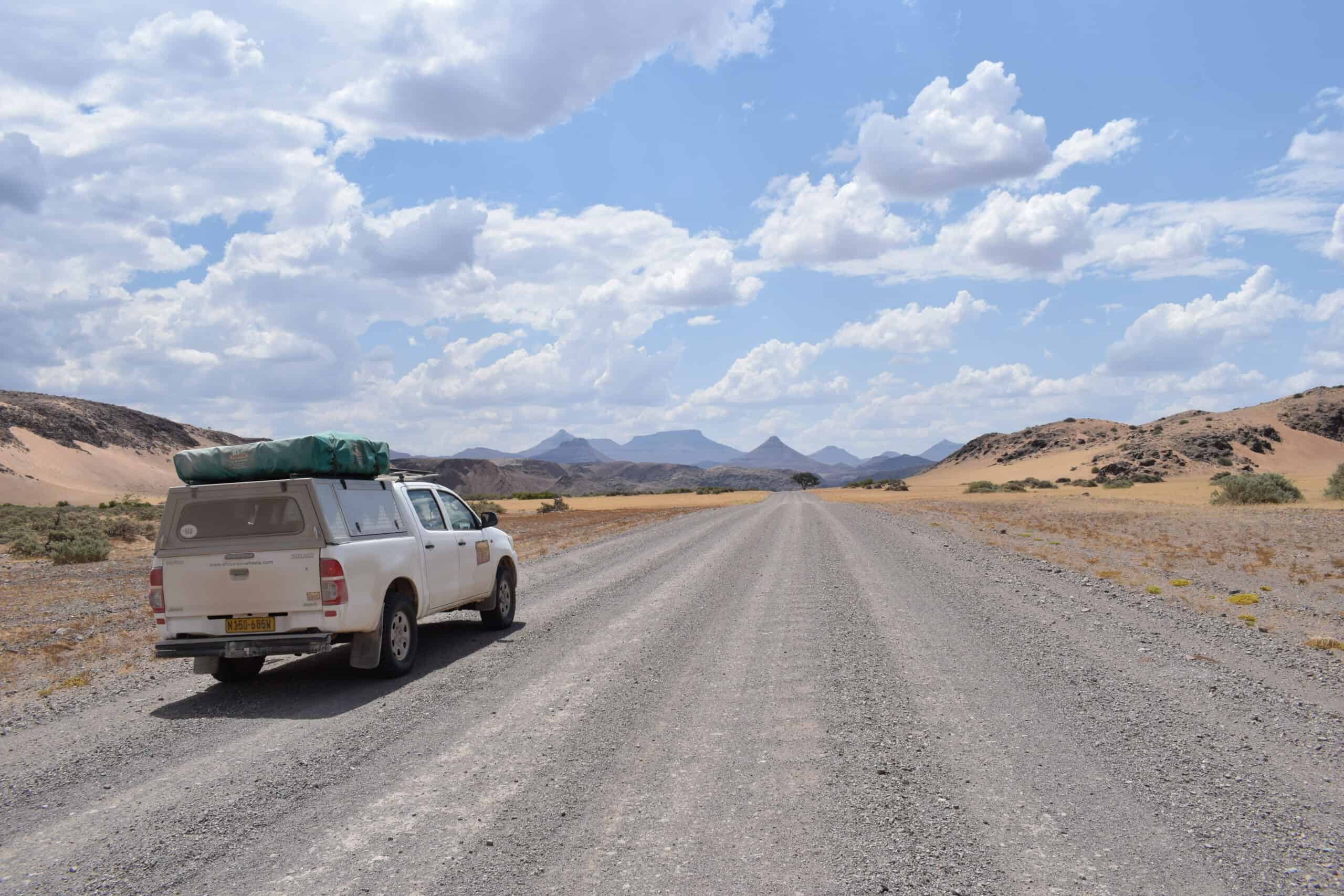
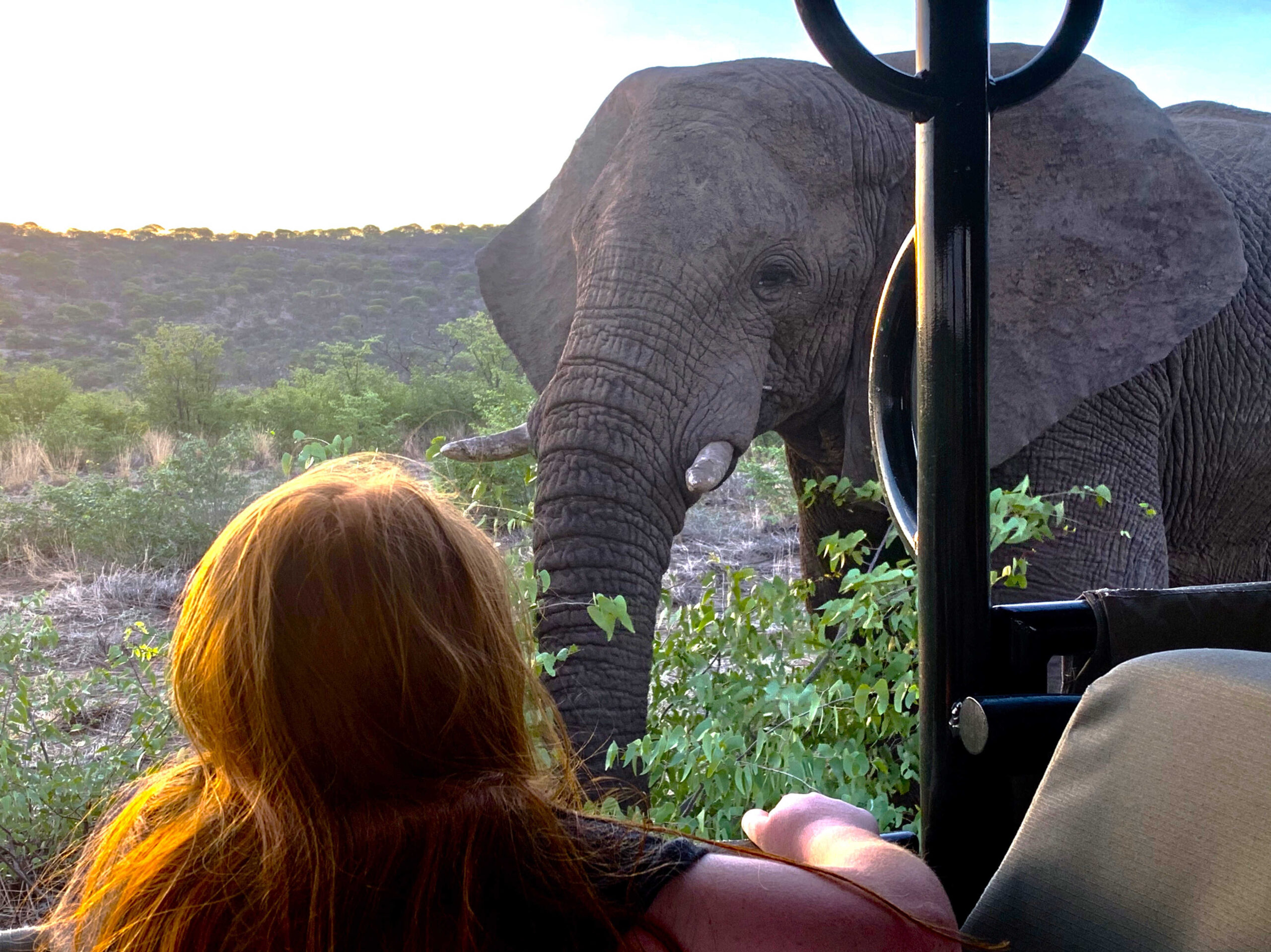
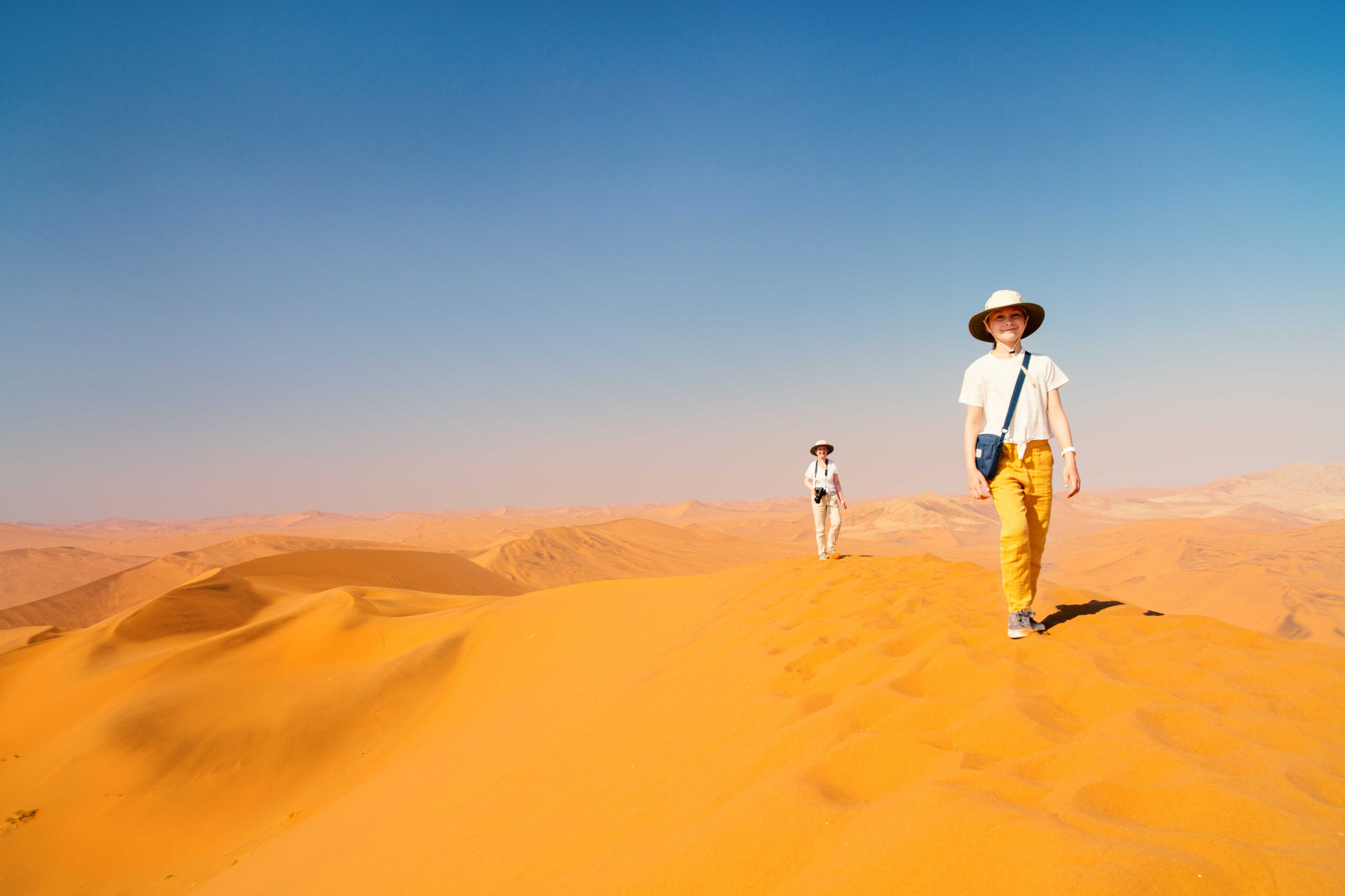
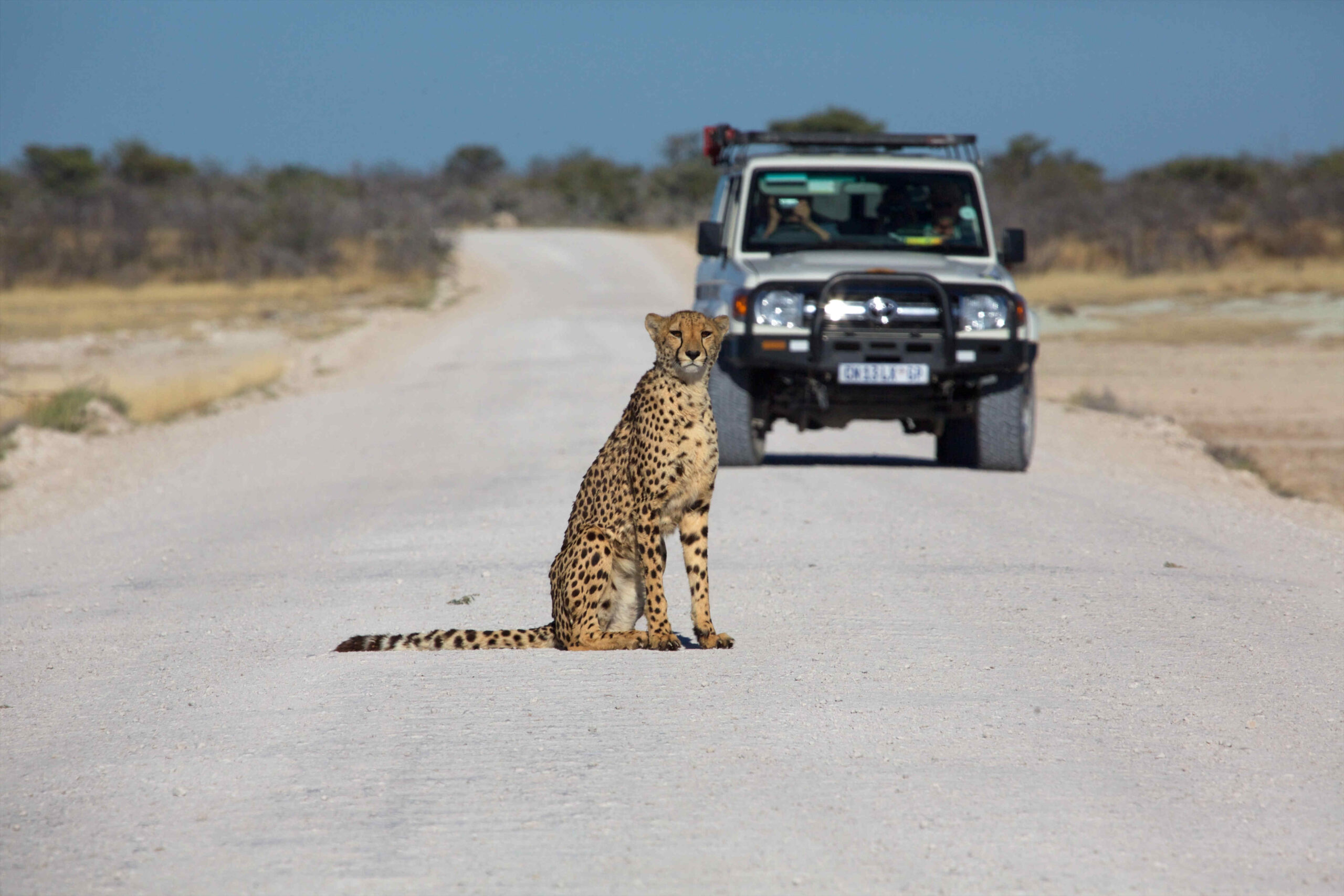
As you drive through Namibia in your fully equipped 4X4 vehicle, you will set up camp in some of the most stunning desert and mountain locations in the world. Climb giant dunes, spot wildlife on safari drives, look at the stars from your rooftop tent, and stop to let ostrich cross the road. This is a really special experience to share with your children.
The Details
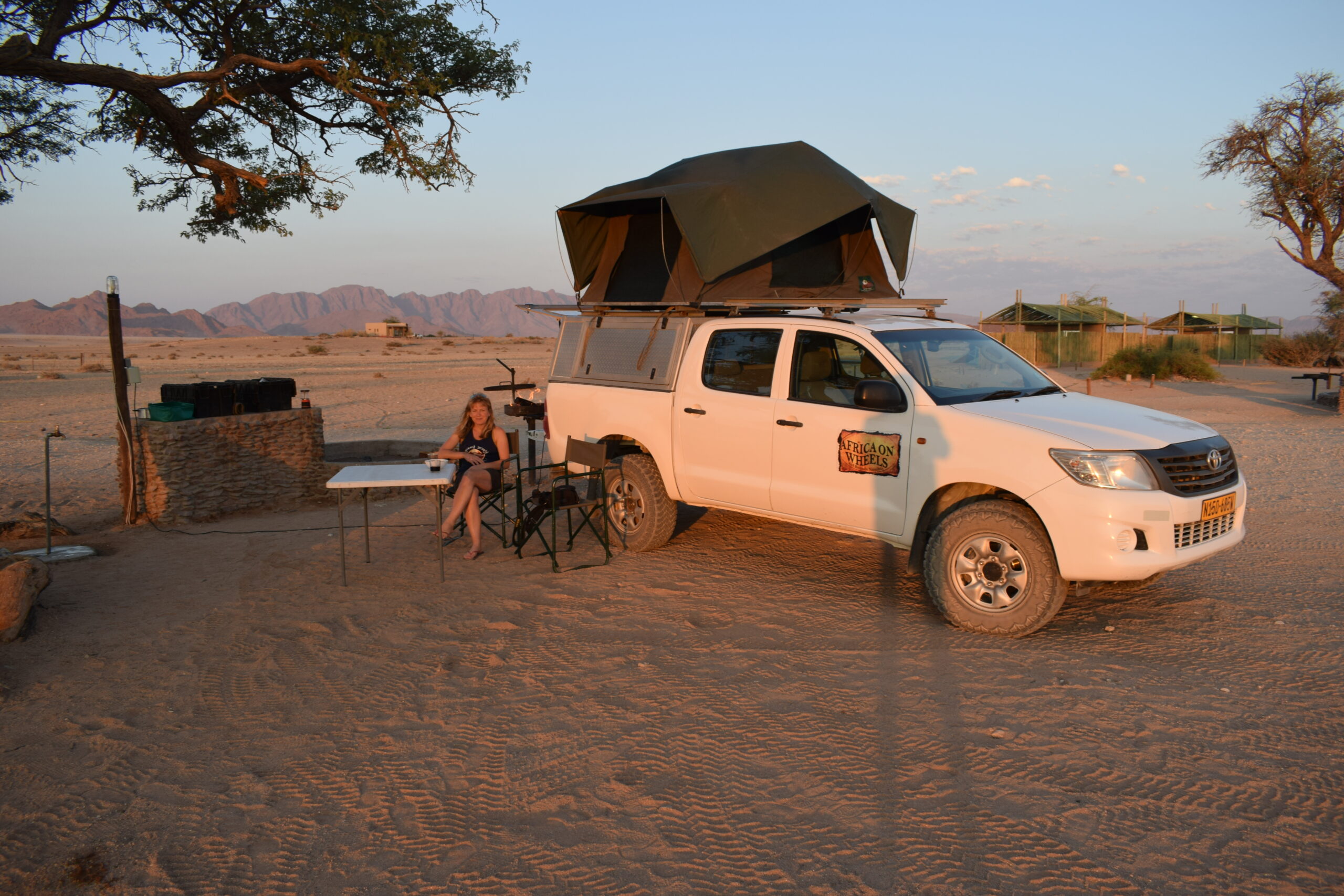
On this action-packed family adventure, you will drive through Namibia’s incredible landscapes in a 4WD, which is fully kitted-out with rooftop tents, and kitchen and dining equipment. You will stay at a range of designated campsites, each one offering a new adventure and scenic backdrop. With remarkably low visitor numbers, Namibia offers intimate wildlife encounters and virtually untouched desert landscapes.
Our fantastic team in Windhoek will ensure you’re completely comfortable with your vehicle before you begin your journey. They’ll show you how to erect your rooftop tent and will give you a local phone that puts you within easy reach of help and advice. Imagine your children’s delight when they climb into their rooftop tent and watch the twinkling stars at night. You will be sitting around campfires, listening to nocturnal animal sounds at night, and waking to inspect fresh animal prints in the mornings.
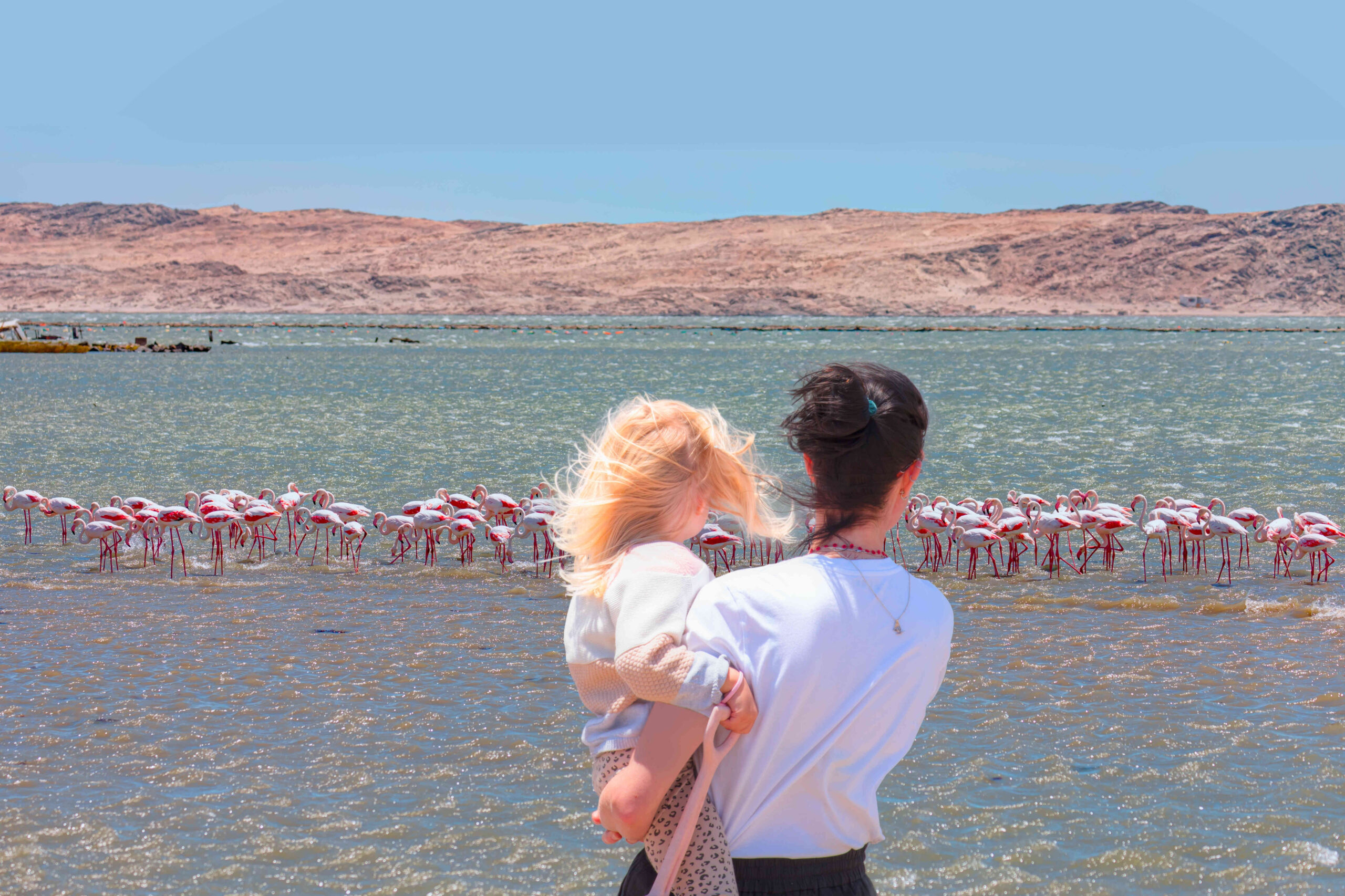
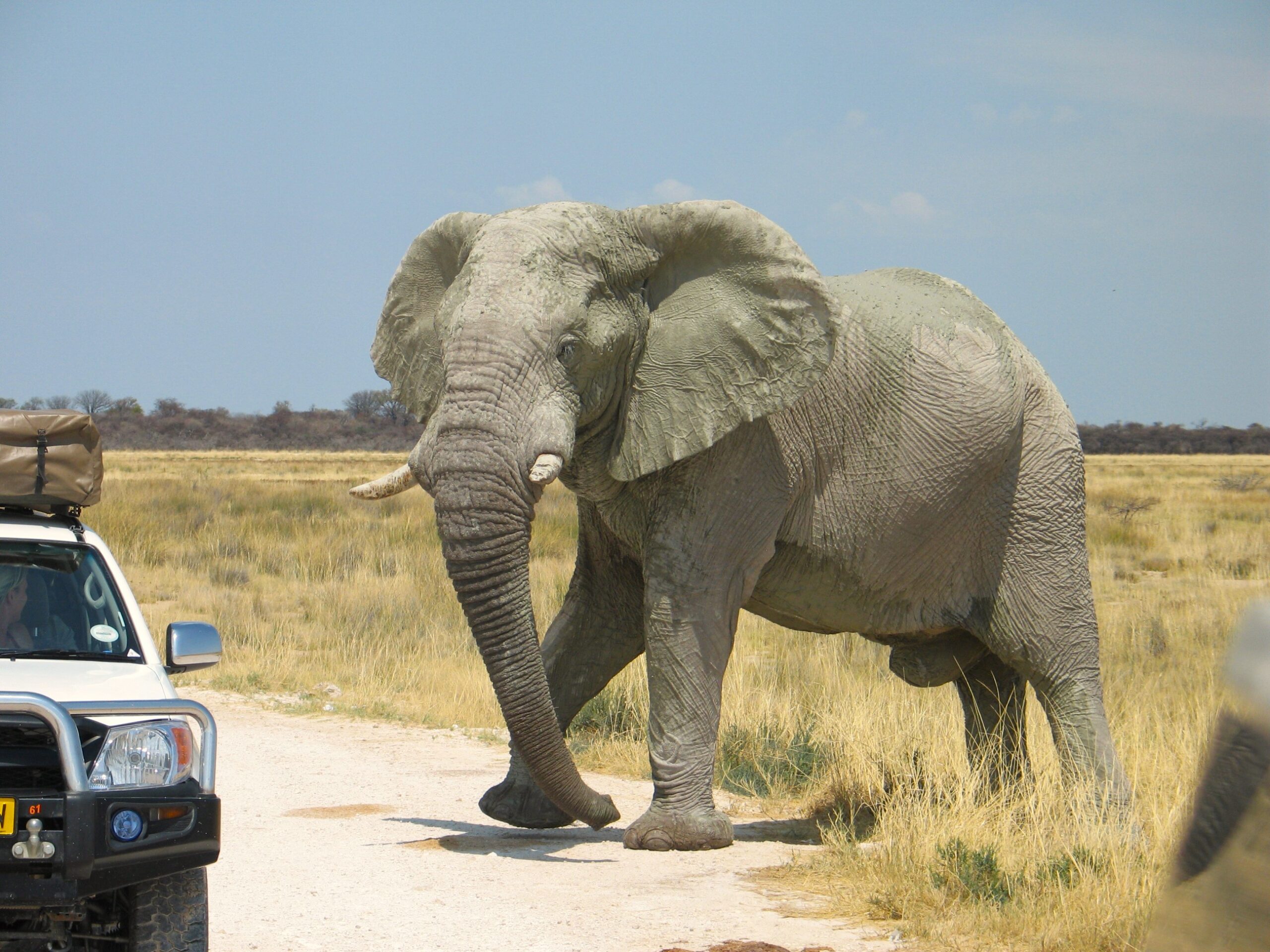
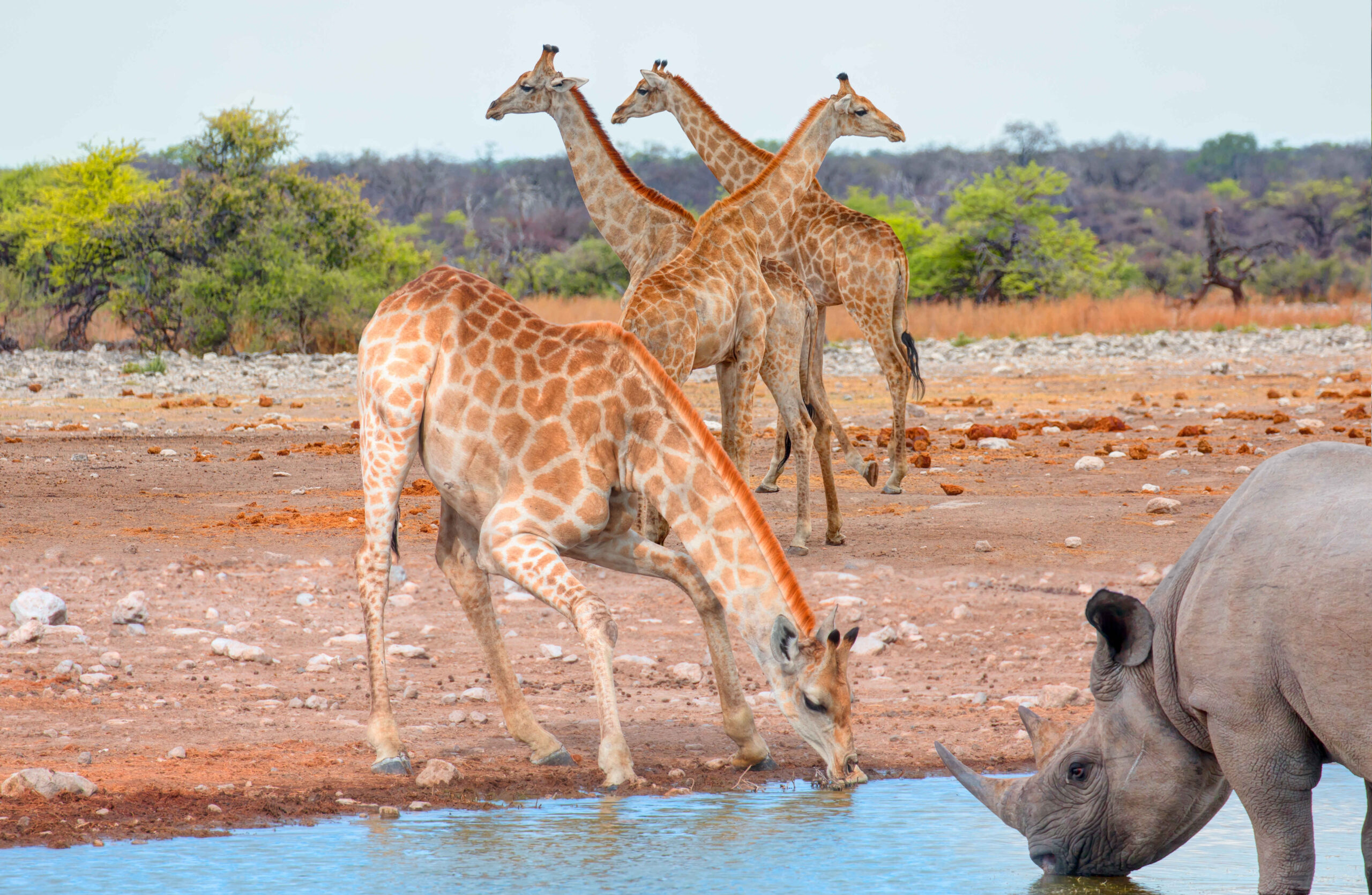
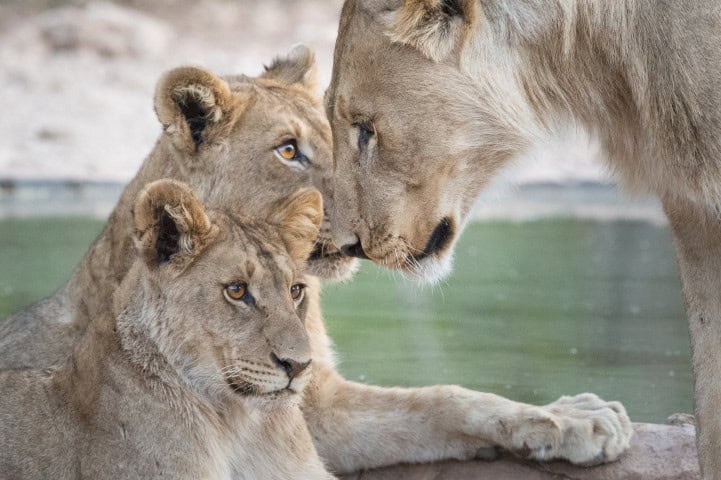
Your journey is divided into easy, manageable drives. Along the way, you will be horse riding through the rugged Naukluft Mountains, climbing the iconic Dune 45 in Sossusvlei, and kayaking among playful seals and flamingos at Walvis Bay. Feel the thrill of a jeep ride to the remote beauty of Sandwich Harbour and follow the Skeleton Coast northwards to track desert-adapted elephants in Erongo. Perhaps the most thrilling adventure of all will be your unforgettable safari drives in the Etosha National Park, and tracking leopard at Okonjima Game Reserve. This is an adventure for all ages, a holiday that will make you fall in love with Namibia.
Best time to go
The best time to go to Namibia is during their winter, from May to September. During these months the skies are clear, temperatures will be in the low to mid-twenties, and there is very little rainfall. If you like warm temperatures, September is the hottest month of this period. Game viewing is at its optimum because animals will be gathering round the watering holes. Similarly, looking for the wild cats is easier when the foliage is less dense, and temperatures are perfect for those guided desert walks.
JanFebMarAprMayJunJulAugSepOctNovDec