Cuba has a tropical climate and fantastic weather year-round, and it doesn’t get overly crowded, especially in those incredibly beautiful mountain areas. The best time to visit Cuba is between mid-November and April, during Cuba’s dry season. It’s slightly cooler but will still be around 25 to 30°, and there will be very little rainfall. Unlike other destinations where it becomes busy and full in peak times, or prices become too expensive, Cuba does not currently experience this
From the middle of December to the middle of January it can get a little cooler in the evenings. Temperatures can drop to around 15 to 20° at night, sometimes slightly colder. However daytime temperatures will still be in the high 20s.
May is the month when you gradually start to experience a daily shower in the afternoon or evening. It’s still a largely dry months, with rain perhaps once in a five day period. Once you reach July you may get a little rain every other day, and humidity is starting to rise. In July and August the humidity builds and you’re likely to experience more afternoon rainstorms. But remember that a ‘wet period’ in Cuba is still pretty dry by most peoples standards, so you’ll still get to enjoy plenty of that famously warm and sunny weather.
August to early October usually sees a greater risk of tropical storms or hurricanes across the country, so these are the only months that you might consider avoiding.
Best time for beaches and city exploration.
Winter months are beautiful; endless sunny Caribbean days with perfect temperatures and very little rain. The incredible white-sand beaches are an undeniable highlight, so if you’re heading to the beaches in dry season and prefer a quieter period, November and April are the best months. This is largely due to the Canadian visitors who come to Cuba for some winter warmth during their coldest months, between December and March.
Another good option is early to mid-May when the weather remains good but flight and accommodation prices are lower.
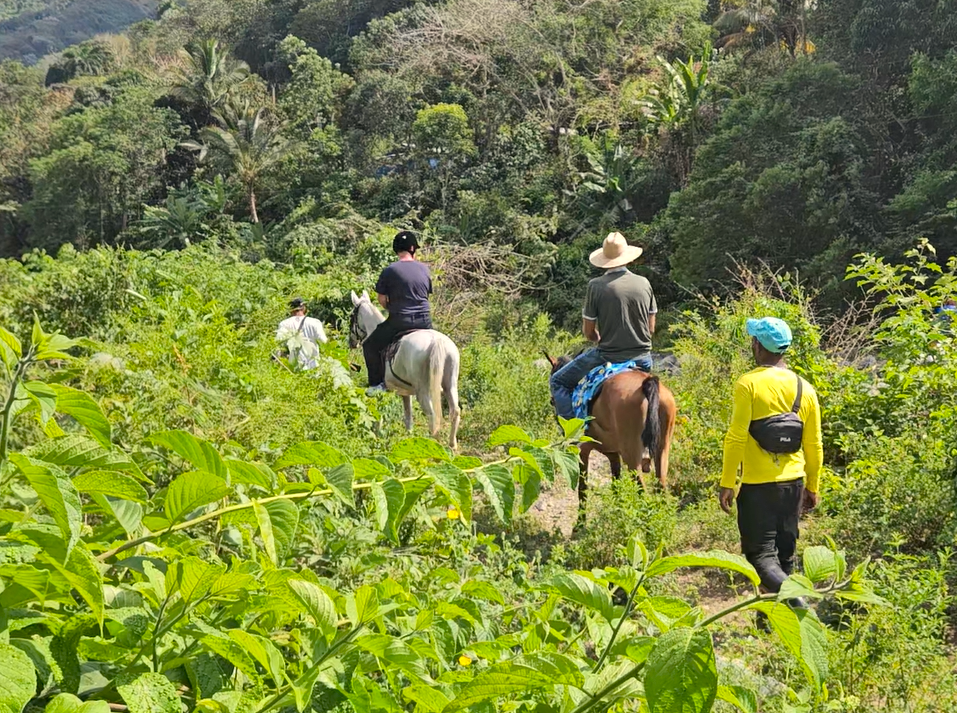
Best time for walking, cycling, horse riding, kayaking
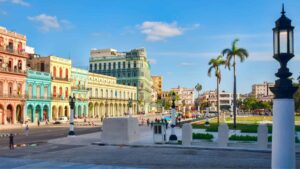
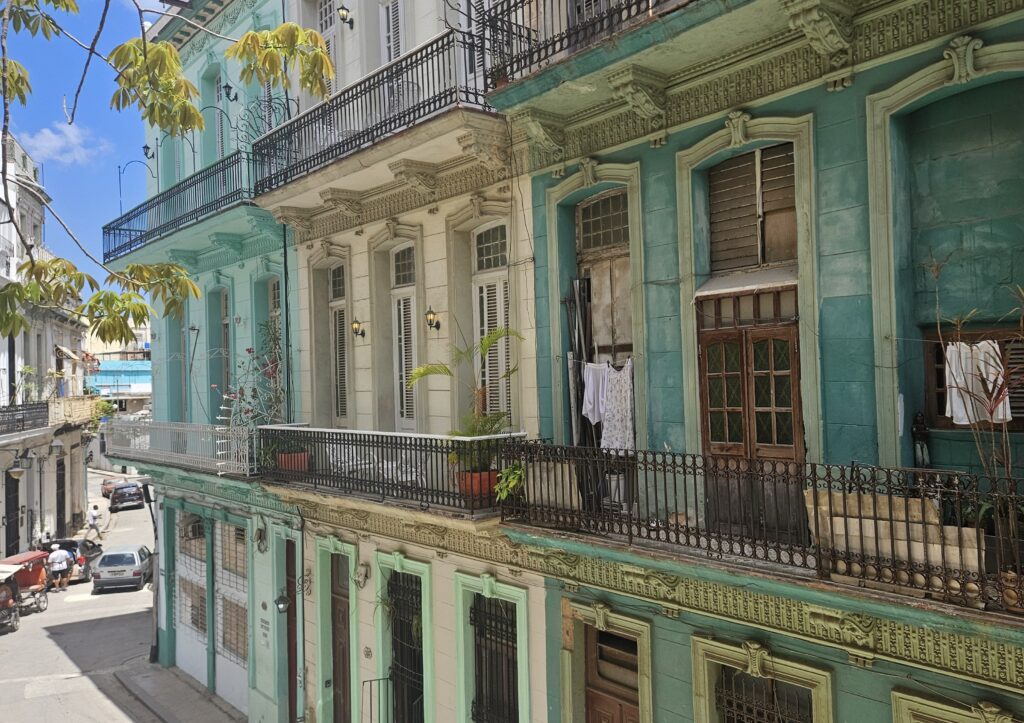
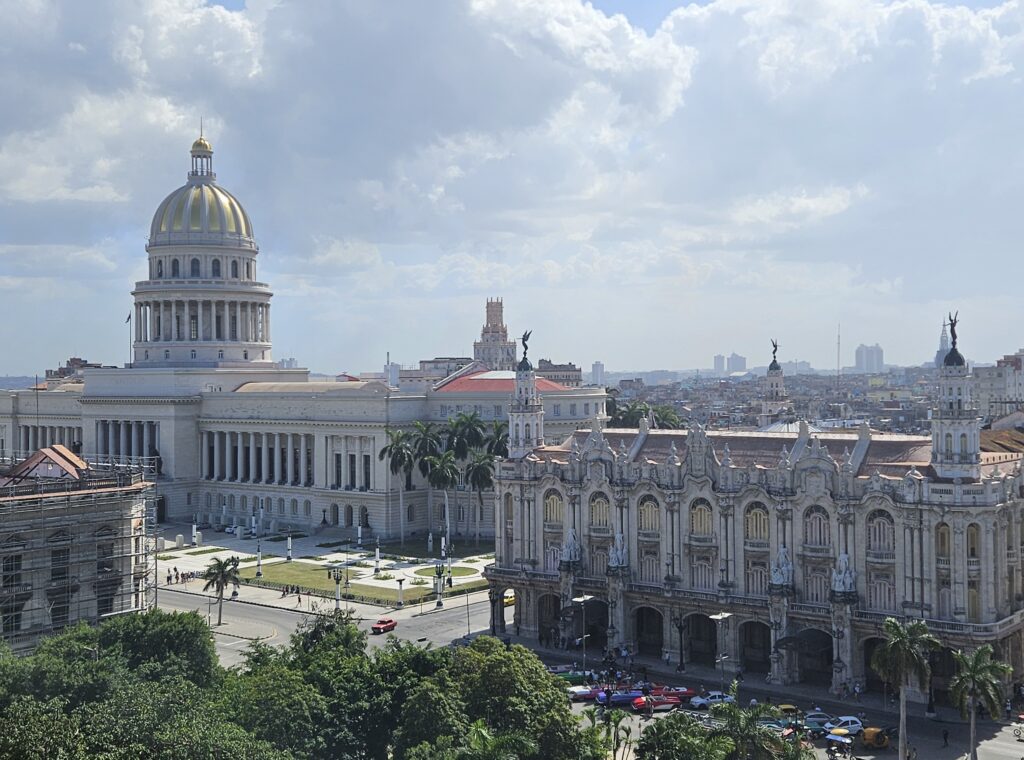
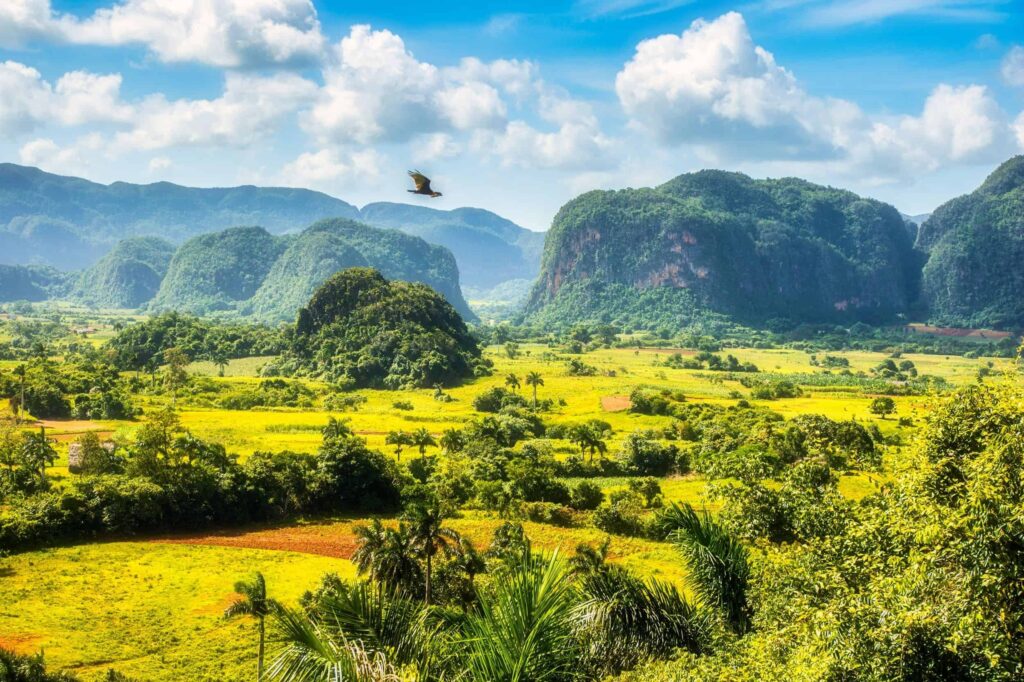
Though many people are aware of Cuba’s revolutionary past, the colourful building of Havana, and the street bands, a surprising few know about Cuba’s incredible landscape and the wealth of experiences you can enjoy there. There are three main mountain areas in Cuba, with the rest of the country being made up of low hills and rural pastures. Amongst the limestone rock formations and fertile valleys, you can enjoy a fantastic range of activities. Vinales is like a garden of Eden, with many trails for those walking, hiking, or horse riding. The Escambray mountains behind Trinidad offer the same kind of outdoor experiences, not to mention the kayaking and snorkelling that you can enjoy across the whole of Cuba.
If you’re planning a full walking or cycling holiday in Cuba, it’s best to aim for the dry season. But if you’re visiting the countryside to enjoy a range of half-day activities, then you can enjoy these experiences through most of the year but perhaps steer clear of mid-Aug to early-Oct, the height of storm season.
Best time for families
The Easter school holidays work well for a family holiday in Cuba. The weather is fantastic and the two-week holiday period allows time for 10 days or more away once you get to Cuba. The school summer holidays also work. It’s hot but prices can often be less than a Europe holiday.
Summary of the best time to visit Cuba
In summary, Cuba has a fantastic climate all year. The dry period from November to April is optimum, particularly if you are heading to Cuba for a walking or cycling holiday. The dry period is also great for those heading to the beaches, and November and April are particularly optimum due to lower visitor numbers.